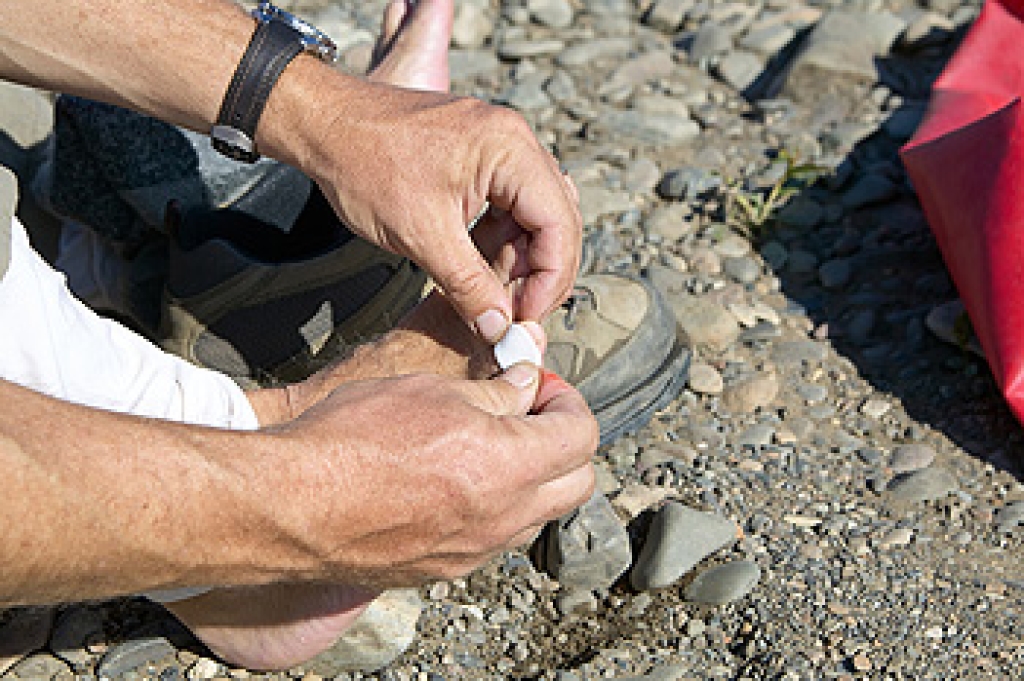
Foot Blisters Are a Common Foot Ailment

Foot blisters are pockets of fluid that form on the skin's surface, and can turn a pleasant walk or workout into a painful experience. These common nuisances are often the result of friction or repeated rubbing on the skin. When the skin experiences excessive pressure or friction, the top layer separates from the layers beneath, trapping a small amount of fluid in the newly formed pocket. Blisters can also be caused by wearing ill-fitting shoes, footwear that rubs against the skin, high levels of moisture, or extended periods of physical activity. Understanding the factors that contribute to blister formation is essential for prevention. If you have developed a blister on your foot that has become problematic, it is suggested that you speak with a podiatrist who can properly treat it and offer you effective prevention methods. 

Blisters may appear as a single bubble or in a cluster. They can cause a lot of pain and may be filled with pus, blood, or watery serum. If your feet are hurting, contact one of our podiatrists of Princeton Foot and Ankle Associates. Our doctors can provide the care you need to keep you pain-free and on your feet.

Foot Blisters

Foot blisters are often the result of friction. This happens due to the constant rubbing from shoes, which can lead to pain.

What Are Foot Blisters?

A foot blister is a small fluid-filled pocket that forms on the upper-most layer of the skin. Blisters are filled with clear fluid and can lead to blood drainage or pus if the area becomes infected.

Symptoms

(Blister symptoms may vary depending on what is causing them)

  • Bubble of skin filled with fluid
  • Redness
  • Moderate to severe pain
  • Itching

Prevention & Treatment

In order to prevent blisters, you should be sure to wear comfortable shoes with socks that cushion your feet and absorb sweat. Breaking a blister open may increase your chances of developing an infection. However, if your blister breaks, you should wash the area with soap and water immediately and then apply a bandage to the affected area. If your blisters cause severe pain it is important that you call your podiatrist right away.

If you have any questions, please feel free to contact our offices located in Princeton, and West Windsor, NJ . We offer the newest diagnostic and treatment technologies for all your foot care needs.

Read more about Blisters

Aftercare for a Foot Fracture

A foot fracture can be a painful and distressing experience, disrupting daily life and mobility. However, the journey to recovery does not end with the diagnosis and proper aftercare is paramount. Immobilization, typically through a cast, splint, or walking boot, is essential to stabilize the foot and promote healing. Elevating the foot can help to reduce swelling and promote circulation. Pain management, as prescribed by a healthcare professional, ensures comfort during the healing process. Getting adequate rest is essential, and avoiding putting weight on the injured foot is advised. As healing progresses, gentle exercises can aid in regaining strength and mobility. Following your podiatrist's recommendations and attending follow-up appointments are vital for a smooth recovery. Patience, care, and adherence to the prescribed aftercare regimen are key to returning to normal activities with a healed foot. If you have broken your foot, it is strongly suggested that you consult a podiatrist who can guide you toward the correct recovery plan that is right for you.

A broken foot requires immediate medical attention and treatment. If you need your feet checked, contact one of our podiatrists from Princeton Foot and Ankle Associates. Our doctors can provide the care you need to keep you pain-free and on your feet.

Broken Foot Causes, Symptoms, and Treatment

A broken foot is caused by one of the bones in the foot typically breaking when bended, crushed, or stretched beyond its natural capabilities. Usually the location of the fracture indicates how the break occurred, whether it was through an object, fall, or any other type of injury. 

Common Symptoms of Broken Feet:

  • Bruising
  • Pain
  • Redness
  • Swelling
  • Blue in color
  • Numbness
  • Cold
  • Misshapen
  • Cuts
  • Deformities

Those that suspect they have a broken foot shoot seek urgent medical attention where a medical professional could diagnose the severity.

Treatment for broken bones varies depending on the cause, severity and location. Some will require the use of splints, casts or crutches while others could even involve surgery to repair the broken bones. Personal care includes the use of ice and keeping the foot stabilized and elevated.

If you have any questions, please feel free to contact our offices located in Princeton, and West Windsor, NJ . We offer the newest diagnostic and treatment technologies for all your foot care needs.

Read more about Causes, Symptoms, and Treatment for a Broken Foot

Common Causes of Foot Pain in Seniors

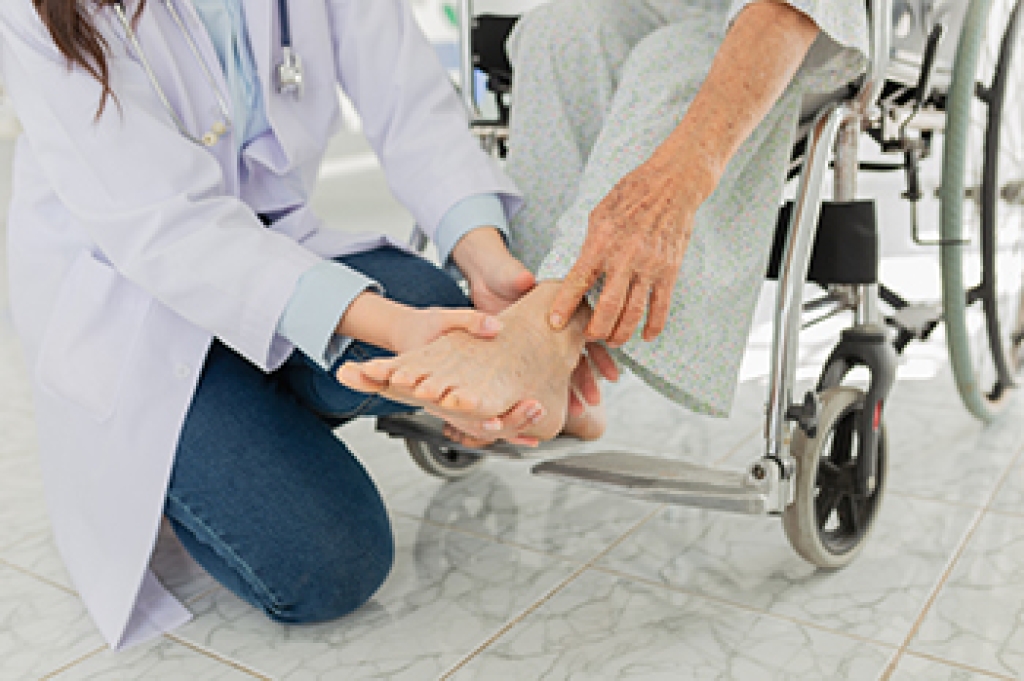
Foot pain is a common complaint among seniors, affecting approximately 20 percent of older adults regularly. Among the most common causes of foot pain in seniors are stress fractures, heel pain, diabetic neuropathy, gout, and blood clots. Seniors are more susceptible to stress fractures due to age-related changes in bone density. Stress fractures are tiny cracks in bones that typically manifest as pain during activity, but subside with rest. Plantar fasciitis, characterized by irritation and inflammation of the plantar fascia ligament on the sole of the foot, can cause persistent heel pain. Diabetes frequently leads to neuropathy, which causes tingling, burning, or numbness in the feet. Regular foot monitoring and care are essential for individuals with diabetes to prevent complications. A podiatrist can help manage conditions such as corns, calluses, and nail care. Gout, a form of inflammatory arthritis, typically affects the big toe. Sudden and severe pain, especially at night, may indicate gout. Blood tests or joint fluid analysis can confirm the diagnosis. Deep vein thrombosis, or a blood clot, is often associated with leg swelling and pain, but it can also cause sudden and severe pain in the ankle or foot. Seniors, especially those who smoke, are overweight, or are sedentary, may be at a higher risk. If you are experiencing foot or ankle pain that persists or worsens, it is suggested that you make an appointment with a podiatrist for treatment options.

Proper foot care is something many older adults forget to consider. If you have any concerns about your feet and ankles, contact one of our podiatrists from Princeton Foot and Ankle Associates. Our doctors can provide the care you need to keep you pain-free and on your feet.

The Elderly and Their Feet

As we age we start to notice many changes in our body, but the elder population may not notice them right away. Medical conditions may prevent the elderly to take notice of their foot health right away. Poor vision is a lead contributor to not taking action for the elderly.

Common Conditions 

  • Neuropathy – can reduce feeling in the feet and can hide many life-threatening medical conditions.
  • Reduced flexibility – prevents the ability of proper toenail trimming, and foot cleaning. If left untreated, it may lead to further medical issues.
  • Foot sores – amongst the older population can be serious before they are discovered. Some of the problematic conditions they may face are:
  • Gouging toenails affecting nearby toe
  • Shoes that don’t fit properly
  • Pressure sores
  • Loss of circulation in legs & feet
  • Edema & swelling of feet and ankles

Susceptible Infections

Diabetes and poor circulation can cause general loss of sensitivity over the years, turning a simple cut into a serious issue.

If you have any questions, please feel free to contact our offices located in Princeton, and West Windsor, NJ . We offer the newest diagnostic and treatment technologies for all your foot care needs.
Read more about Taking Care of Elderly Feet

Alternative Therapies for Non-Healing Diabetic Foot Ulcers

Maggot therapy, also known as Maggot Debridement Therapy, MDT, or Larval therapy, has a long history in medicine and has gained recent recognition for its unique ability to save limbs. This biotherapy involves placing disinfected maggots, often the larvae of the greenbottle blowfly, on wounds, such as diabetic foot ulcers, to debride necrotic tissues. It is particularly effective when antibiotics fail to combat bacterial infections in non-healing wounds, potentially preventing limb amputations. Maggots work by secreting special enzymes, which break down necrotic tissue, making it easier to digest and absorb. They also produce antibiotic-like agents and release ammonia to inhibit bacterial growth in the wound. Administration involves placing sterile maggots within a dressing on the wound for 48 to 72 hours. This therapy has broad applications, including diabetic ulcers, vascular ulcers, pressure ulcers, and even malignant wounds. Studies have shown that maggot therapy accelerates wound healing, reduces necrotic tissue, and decreases wound odor. While this therapy is highly effective, it should not be used for wounds near vital organs or blood vessels and in septic patients. Additional research can further expand the applications of this therapy, however, it saves 40 to 50 percent of limbs when used as a last resort. If you have a non-healing diabetic foot wound and would like alternative treatments for healing, it is suggested that you make an appointment with a podiatrist to discuss this further.

Wound care is an important part in dealing with diabetes. If you have diabetes and a foot wound or would like more information about wound care for diabetics, consult with one of our podiatrists from Princeton Foot and Ankle Associates. Our doctors will assess your condition and provide you with quality foot and ankle treatment.

What Is Wound Care?

Wound care is the practice of taking proper care of a wound. This can range from the smallest to the largest of wounds. While everyone can benefit from proper wound care, it is much more important for diabetics. Diabetics often suffer from poor blood circulation which causes wounds to heal much slower than they would in a non-diabetic. 

What Is the Importance of Wound Care?

While it may not seem apparent with small ulcers on the foot, for diabetics, any size ulcer can become infected. Diabetics often also suffer from neuropathy, or nerve loss. This means they might not even feel when they have an ulcer on their foot. If the wound becomes severely infected, amputation may be necessary. Therefore, it is of the upmost importance to properly care for any and all foot wounds.

How to Care for Wounds

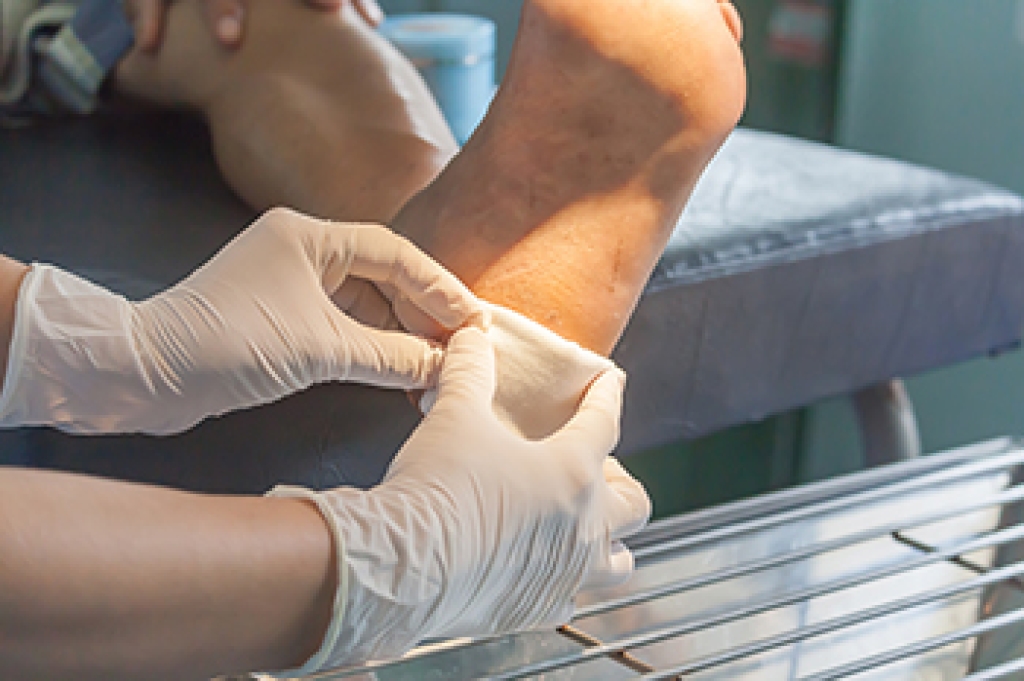
The best way to care for foot wounds is to prevent them. For diabetics, this means daily inspections of the feet for any signs of abnormalities or ulcers. It is also recommended to see a podiatrist several times a year for a foot inspection. If you do have an ulcer, run the wound under water to clear dirt from the wound; then apply antibiotic ointment to the wound and cover with a bandage. Bandages should be changed daily and keeping pressure off the wound is smart. It is advised to see a podiatrist, who can keep an eye on it.

If you have any questions please contact our offices located in Princeton, and West Windsor, NJ . We offer the newest diagnostic and treatment technologies for all your foot and ankle needs.

Read more about Wound Care
Advanced Podiatric Procedures & Services in the Mercer County: Princeton, West Windsor, East Windsor, Cranbury, South Brunswick Township, Hopewell, Montgomery, Rocky Hill, Plainsboro township areas