
Overuse Injuries Can Sideline Young Athletes

Children who are involved in sports can place repeated stress on feet and ankles that are still developing. Overuse injuries occur when activity strains bones, tendons, or ligaments faster than the body can recover. Risk rises when a child practices daily, plays on several teams, or suddenly increases training. Pain may begin slowly instead of following one clear accident. Other signs include swelling, tenderness, and a change in the way the child walks. 

Several overuse injuries affect active children. Achilles tendonitis causes irritation in the tendon that joins the calf muscle to the heel. Calcaneal apophysitis, also called Sever’s disease, affects the growth area at the back of the heel. It can cause pain when running or jumping. Plantar fasciitis is an irritation of the strong band of tissue beneath the foot associated with overuse. Stress fractures are tiny cracks caused by repeated force without time to recover. Foot pain is not a normal part of sports and should not be ignored. Continuing to play through pain can worsen an injury. It can also change how a child moves, placing extra stress on the knees, hips, or lower back.

A podiatrist can examine the painful area, watch the child stand and walk, and assess foot structure. X-rays or other imaging tests can help identify a stress fracture. Treatment is based on the type of injury and its severity. A podiatrist can recommend temporary activity limits, supportive devices, or changes to athletic shoes. Prevention starts with properly fitted shoes that are specifically made for the child’s activity. Training should increase gradually, and children need enough recovery between practices and games. Sport demands should also match the child’s age, ability, and stamina. Early care can protect developing feet and prevent a short-term problem from becoming a lasting one. If your child has foot, ankle, or toe pain related to sports activities, it is suggested that you schedule an appointment with a podiatrist for a diagnosis and appropriate treatment.

The health of a child’s feet is vital to their overall well-being. If you have any questions regarding foot health, contact one of our podiatrists of Princeton Foot and Ankle Associates. Our doctors can provide the care you need to keep you pain-free and on your feet.

Tips for Keeping Children's Feet Healthy

  • Make sure their shoes fit properly
  • Look for any signs of in-toeing or out-toeing
  • Check to see if they have Clubfoot (condition that affects your child’s foot and ankle, twisting the heel and toes inward) which is one of the most common nonmajor birth defects.
  • Lightly cover your baby’s feet (Tight covers may keep your baby from moving their feet freely, and could prevent normal development)
  • Allow your toddler to go shoeless (Shoes can be restricting for a young child’s foot)
  • Cut toenails straight across to avoid ingrown toenails
  • Keep your child’s foot clean and dry
  • Cover cuts and scrapes. Wash any scratches with soap and water and cover them with a bandage until they’ve healed.

If you have any questions, please feel free to contact our offices located in Princeton, and West Windsor, NJ . We offer the newest diagnostic and treatment technologies for all your foot care needs.
Read more about How to Care for Your Child's Feet

Tarsal Tunnel Syndrome and Nerve Pain in the Foot

Tarsal tunnel syndrome is a nerve condition that develops when the posterior tibial nerve becomes compressed as it travels through a narrow passage near the inside of the ankle. This tunnel is located between the ankle bone and the surrounding soft tissues, with the nerve continuing into the foot. When pressure affects the nerve, symptoms can develop along the inner ankle, heel, and bottom of the foot. People may experience tingling, numbness, or shooting pain. 

Several factors can contribute to tarsal tunnel syndrome. An ankle injury or swelling may increase pressure around the nerve. Flat feet can also change foot alignment and place additional strain on the nerve whle walking. Other risk factors include repetitive activity, arthritis, and abnormal foot mechanics. Some people describe a burning sensation that travels from the inside of the ankle toward the sole of the foot. In more advanced cases, numbness or weakness may affect normal foot function.


A podiatrist can evaluate symptoms and determine whether tarsal tunnel syndrome is causing the discomfort. The examination may include reviewing medical history, checking sensation, and observing walking mechanics. The podiatrist may also perform specific nerve assessments and recommend imaging or nerve testing when appropriate. Treatment depends on the underlying cause and may include activity modification, supportive footwear, or measures to reduce swelling and pressure surrounding the nerve. Treating an underlying foot or ankle problem can also help reduce nerve irritation.


Early evaluation may help prevent consistent nerve compression from interfering with walking and daily activities. Persistent tingling or burning should not be dismissed as ordinary foot fatigue, particularly when symptoms repeatedly occur in the same area. A personalized treatment plan can address both the nerve irritation and the mechanical factors contributing to symptoms. If you have pain in this part of your foot, it is suggested that you consult a podiatrist who can accurately diagnose and treat tarsal tunnel syndrome. 

Tarsal tunnel syndrome can be very uncomfortable to live with. If you are experiencing tarsal tunnel syndrome, contact one of our podiatrists of Princeton Foot and Ankle Associates. Our doctors can provide the care you need to keep you pain-free and on your feet.

Tarsal Tunnel Syndrome

Tarsal tunnel syndrome, which can also be called tibial nerve dysfunction, is an uncommon condition of misfiring peripheral nerves in the foot. The tibial nerve is the peripheral nerve in the leg responsible for sensation and movement of the foot and calf muscles. In tarsal tunnel syndrome, the tibial nerve is damaged, causing problems with movement and feeling in the foot of the affected leg.

Common Cause of Tarsal Tunnel Syndrome

  • Involves pressure or an injury, direct pressure on the tibial nerve for an extended period of time, sometimes caused by other body structures close by or near the knee.
  • Diseases that damage nerves, including diabetes, may cause tarsal tunnel syndrome.
  • At times, tarsal tunnel syndrome can appear without an obvious cause in some cases.

The Effects of Tarsal Tunnel Syndrome

  • Different sensations, an afflicted person may experience pain, tingling, burning or other unusual sensations in the foot of the affected leg.
  • The foot muscles, toes and ankle become weaker, and curling your toes or flexing your foot can become difficult.
  • If condition worsens, infections and ulcers may develop on the foot that is experiencing the syndrome.

A physical exam of the leg can help identify the presence of tarsal tunnel syndrome. Medical tests, such as a nerve biopsy, are also used to diagnose the condition. Patients may receive physical therapy and prescriptive medication. In extreme cases, some may require surgery.

If you have any questions please contact our offices located in Princeton, and West Windsor, NJ . We offer the newest diagnostic and treatment technologies for all your foot and ankle needs.

Read more about Tarsal Tunnel Syndrome

Definition and Causes of PAD

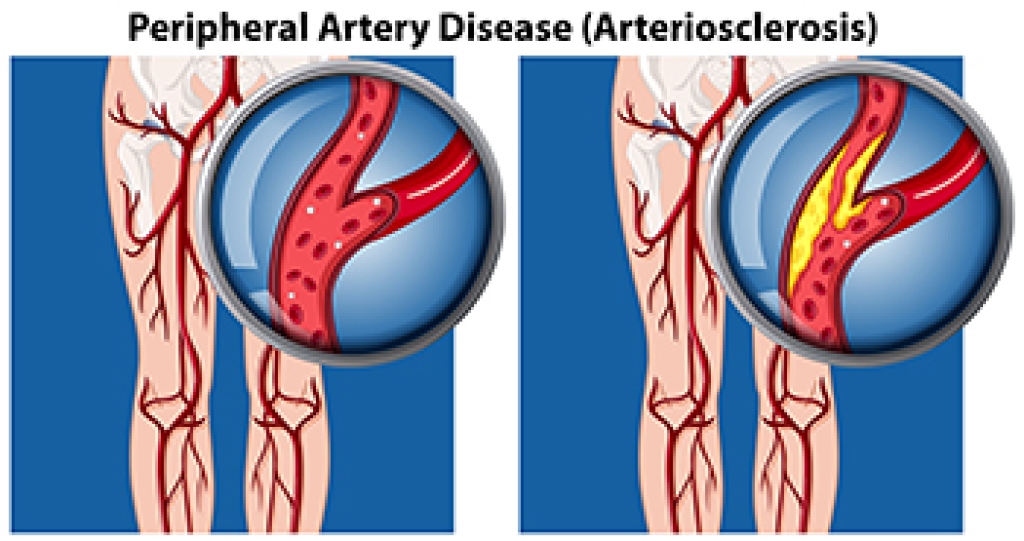
Peripheral artery disease, or PAD, is a circulation disorder that develops when arteries supplying blood to the legs and feet become narrowed or blocked. Reduced blood flow can affect how tissues receive oxygen and nutrients. PAD can develop gradually, so some people do not notice symptoms at first. When symptoms occur, they may include leg or foot pain while walking that improves with rest. Cold feet, numbness, or changes in skin color can also occur. Foot wounds may heal slowly when circulation is reduced.

Several factors can increase the risk of PAD. Smoking is a major risk factor because it damages blood vessels and contributes to artery narrowing. The risk also increases with age and certain health conditions that affect circulation. High blood pressure and high cholesterol can contribute to artery disease. Diabetes is another important risk factor because it can damage blood vessels and nerves. A family history of cardiovascular disease may also increase susceptibility. Recognizing these factors can encourage earlier evaluation.


A podiatrist may examine your feet for changes in skin color, temperature, or wounds. Pulses in the feet can be checked to assess blood flow. If PAD is suspected, your podiatrist may recommend an ankle-brachial index or other vascular testing. Treatment focuses on improving circulation and reducing complications. Severe blockages may require procedures to restore blood flow.


PAD deserves attention because reduced circulation can affect foot health and wound healing. Pay attention to persistent foot discomfort or changes that do not improve. Early evaluation can help identify circulation problems before complications develop. A podiatrist can also help monitor your feet and coordinate care, when needed. If you have symptoms of PAD, it is suggested that you consult a podiatrist for an accurate diagnosis, treatment, and management tips.

Peripheral artery disease can pose a serious risk to your health. It can increase the risk of stroke and heart attack. If you have symptoms of peripheral artery disease, consult with one of our podiatrists from Princeton Foot and Ankle Associates. Our doctors will assess your condition and provide you with quality foot and ankle treatment.

Peripheral artery disease (PAD) is when arteries are constricted due to plaque (fatty deposits) build-up. This results in less blood flow to the legs and other extremities. The main cause of PAD is atherosclerosis, in which plaque builds up in the arteries.

Symptoms

Symptoms of PAD include:

  • Claudication (leg pain from walking)
  • Numbness in legs
  • Decrease in growth of leg hair and toenails
  • Paleness of the skin
  • Erectile dysfunction
  • Sores and wounds on legs and feet that won’t heal
  • Coldness in one leg

It is important to note that a majority of individuals never show any symptoms of PAD.

Diagnosis

While PAD occurs in the legs and arteries, Podiatrists can diagnose PAD. Podiatrists utilize a test called an ankle-brachial index (ABI). An ABI test compares blood pressure in your arm to you ankle to see if any abnormality occurs. Ultrasound and imaging devices may also be used.

Treatment

Fortunately, lifestyle changes such as maintaining a healthy diet, exercising, managing cholesterol and blood sugar levels, and quitting smoking, can all treat PAD. Medications that prevent clots from occurring can be prescribed. Finally, in some cases, surgery may be recommended.

If you have any questions, please feel free to contact our offices located in Princeton, and West Windsor, NJ . We offer the newest diagnostic and treatment technologies for all your foot care needs.

Read more about Peripheral Artery Disease

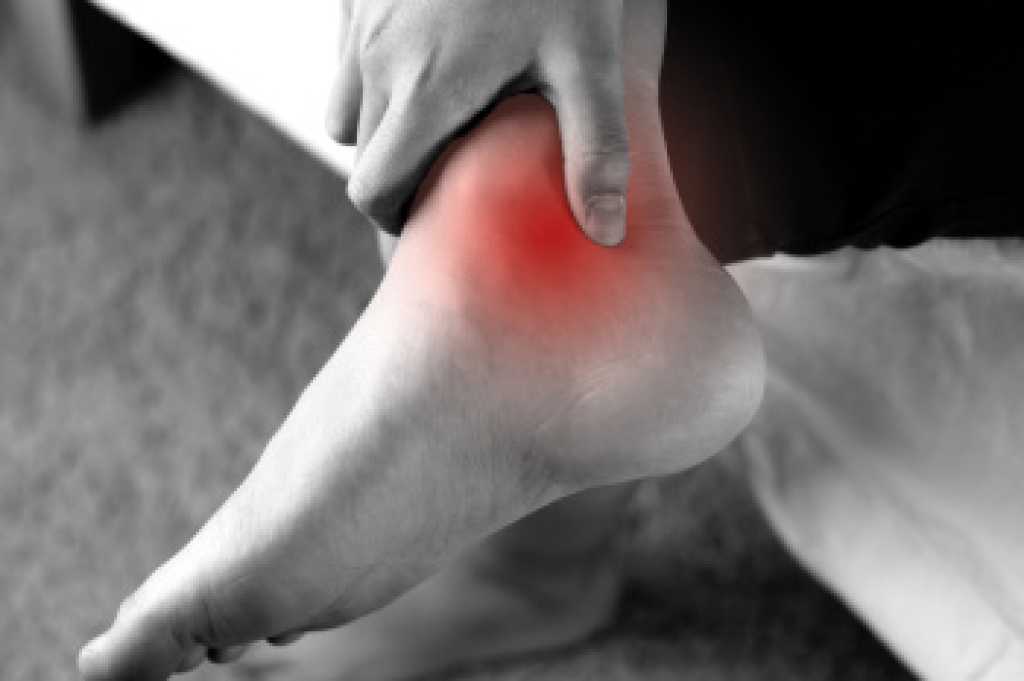
Heel Pain Can Be Treated!

Do you suffer from heel pain when you get up in the morning? If so, you should seek professional help and have a proper diagnosis performed. Heel pain can be caused by several different foot-related conditions.

Causes and Professional Care for Hammertoe Deformity

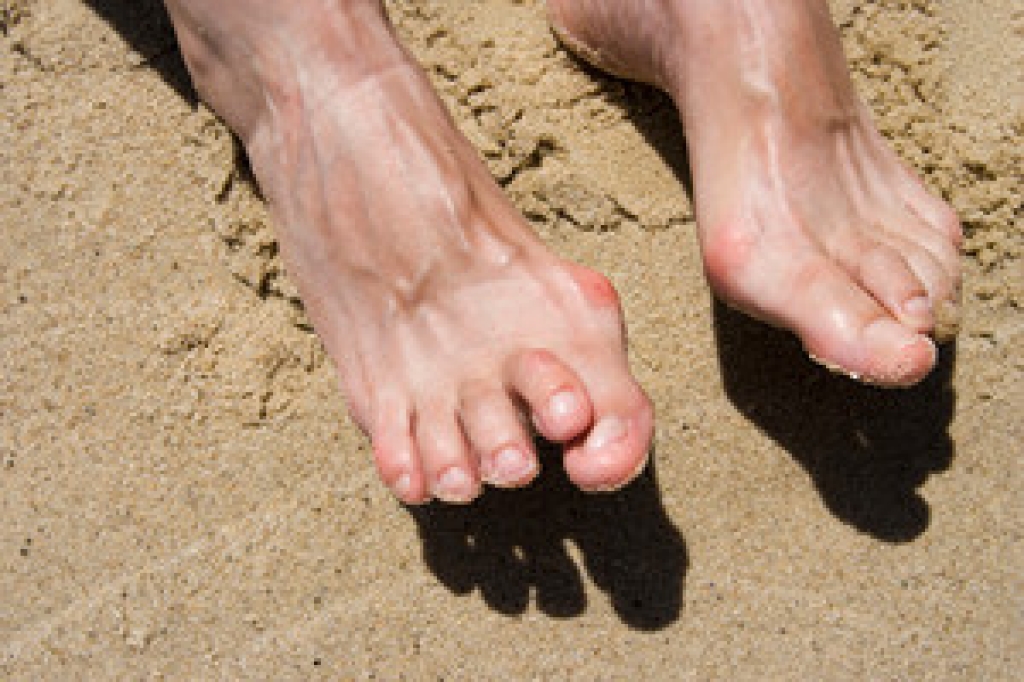
Hammertoe is a foot deformity that causes one of the smaller toes to bend downward at the middle joint instead of lying flat. The condition usually affects the second toe, although it can involve other toes. At first, the toe may still move freely. As the condition progresses, the joint can become stiff and more difficult to straighten. People with hammertoe frequently notice pain, swelling, and irritation where the bent toe rubs against shoes. Corns and calluses can also develop because of repeated pressure. A podiatrist carefully examines the affected toe, evaluates its flexibility, and determines whether nearby joints are also involved. X-rays help reveal changes in bone alignment and assist with planning the most appropriate treatment.

Several factors can contribute to hammertoe. Muscle imbalance is one of the most common causes. This happens when the muscles and tendons that control the toe no longer work together properly, causing the toe to remain in a bent position. Arthritis, foot injuries, and inherited foot structure can also increase the risk of developing hammertoe. Wearing shoes that do not fit properly can place added pressure on the toes and make the deformity worse. As the condition advances, walking can become uncomfortable because the bent toe no longer rests naturally against the ground. A podiatrist evaluates the severity of the deformity and checks for joint stiffness, pain, and changes in foot function.

Treatment depends on how flexible the toe remains and how much the deformity affects daily activities. A podiatrist develops a treatment plan that improves comfort, restores function, and helps prevent further changes in toe alignment. Care includes custom orthotics, protective padding, and careful monitoring of the affected joints. Custom orthotics are specially made shoe inserts that improve foot support and reduce pressure on the toes. When the toe becomes rigid or the deformity is severe, surgery can straighten the toe and improve its position. If you have symptoms of hammertoe, it is suggested that you schedule an appointment with a podiatrist for effecitve relief, treatment and management tips. 

Hammertoes can be a painful condition to live with. For more information, contact one of our podiatrists of Princeton Foot and Ankle Associates. Our doctors will answer any of your foot- and ankle-related questions.

Hammertoe

Hammertoe is a foot deformity that occurs due to an imbalance in the muscles, tendons, or ligaments that normally hold the toe straight. It can be caused by the type of shoes you wear, your foot structure, trauma, and certain disease processes.

Symptoms

  • Painful and/or difficult toe movement
  • Swelling
  • Joint stiffness
  • Calluses/Corns
  • Physical deformity

Risk Factors

  • Age – The risk of hammertoe increases with age
  • Sex – Women are more likely to have hammertoe compared to men
  • Toe Length – You are more likely to develop hammertoe if your second toe is longer than your big toe
  • Certain Diseases – Arthritis and diabetes may make you more likely to develop hammertoe

Treatment

If you have hammertoe, you should change into a more comfortable shoe that provides enough room for your toes. Exercises such as picking up marbles may strengthen and stretch your toe muscles. Nevertheless, it is important to seek assistance from a podiatrist in order to determine the severity of your hammertoe and see which treatment option will work best for you.

If you have any questions, please feel free to contact our offices located in Princeton, and West Windsor, NJ . We offer the newest diagnostic and treatment technologies for all your foot care needs.
Read more about Hammertoe
Advanced Podiatric Procedures & Services in the Mercer County: Princeton, West Windsor, East Windsor, Cranbury, South Brunswick Township, Hopewell, Montgomery, Rocky Hill, Plainsboro township areas