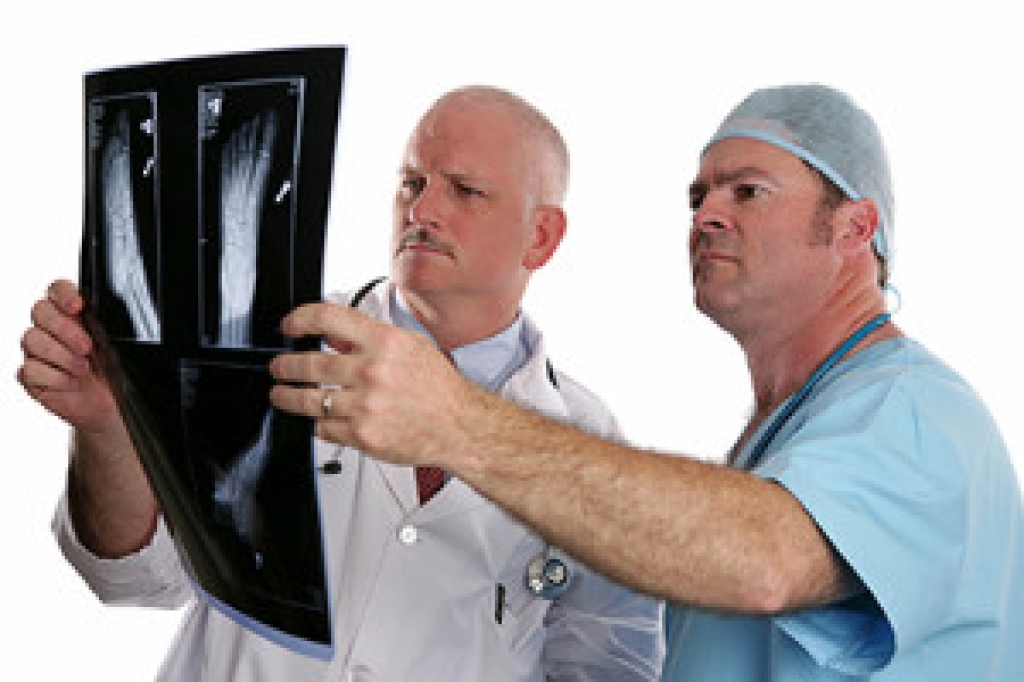
Podiatrists and Foot Surgery

A podiatrist is a doctor that specializes in treating foot conditions. The initials DPM will generally appear after their name, and are an abbreviation for Doctor of Podiatric Medicine. Foot ailments these physicians typically treat can include plantar fasciitis, bunions, and hammertoes. Mandatory schooling consists of four years of podiatry medical school, followed by three years of specialized training. Some doctors choose to perform surgery to remove tumors, bunions, and heel spurs. If you are interested in pursuing podiatry as a career choice, it is advised that you consult with a podiatrist who can provide you with the information you need that may help you to make a decision.

If you are experiencing pain in the feet or ankles, don’t join the stubborn majority refusing treatment. Feel free to contact one of our podiatrists from Princeton Foot and Ankle Associates. Our doctors can provide the care you need to keep you pain-free and on your feet.

What Is a Podiatrist?

Someone would seek the care of a podiatrist if they have suffered a foot injury or have common foot ailments such as heal spurs, bunions, arch problems, deformities, ingrown toenails, corns, foot and ankle problems, etc.

Podiatric Treatment

A podiatrist will treat the problematic areas of the feet, ankle or lower leg by prescribing the following:

  • Physical therapy
  • Drugs
  • Orthotic inserts or soles
  • Surgery on lower extremity fractures

A common podiatric procedure a podiatrist will use is a scanner or force plate which will allow the podiatrist to know the designs of orthotics. Patients are then told to follow a series of tasks to complete the treatment. The computer will scan the foot a see which areas show weight distribution and pressure points. The podiatrist will read the analysis and then determine which treatment plans are available.

If you have any questions, please feel free to contact our offices located in Princeton, and West Windsor, NJ . We offer the newest diagnostic and treatment technologies for all your foot care needs.

Read more about What is a Podiatrist?

Signs You May Have Plantar Fasciitis

The plantar regions of the foot include the heel, the arch, and the midfoot. If you begin to notice pain in these regions of your foot, it’s possible you may have a condition that is known as plantar fasciitis. Plantar fasciitis can develop for a number of different reasons. When the plantar fascia, the connective tissue from the heel to the ball of your foot, has too much stress put on it, it may become inflamed, overtightened, or torn. Common causes of over stressing the plantar fascia include obesity, arthritis, a sudden increase in physical activity, and wearing improper footwear. Pain will typically be felt in the plantar region when first getting out of bed in the morning, after sitting, standing, or walking for long periods of time, and when climbing stairs. To best diagnose if you in fact have plantar fasciitis, it is suggested you have an X-ray taken. For professional care and an advised treatment plan, we recommend you consult with a podiatrist as soon as you feel pain in your foot.

Plantar fasciitis can be very painful and inconvenient. If you are experiencing heel pain or symptoms of plantar fasciitis, contact one of our podiatrists  from Princeton Foot and Ankle Associates. Our doctors can provide the care you need to keep you pain-free and on your feet.

What Is Plantar Fasciitis?

Plantar fasciitis is the inflammation of the thick band of tissue that runs along the bottom of your foot, known as the plantar fascia, and causes mild to severe heel pain.

What Causes Plantar Fasciitis?

  • Excessive running
  • Non-supportive shoes
  • Overpronation
  • Repeated stretching and tearing of the plantar fascia

How Can It Be Treated?

  • Conservative measures – anti-inflammatories, ice packs, stretching exercises, physical therapy, orthotic devices
  • Shockwave therapy – sound waves are sent to the affected area to facilitate healing and are usually used for chronic cases of plantar fasciitis
  • Surgery – usually only used as a last resort when all else fails. The plantar fascia can be surgically detached from the heel

While very treatable, plantar fasciitis is definitely not something that should be ignored. Especially in severe cases, speaking to your doctor right away is highly recommended to avoid complications and severe heel pain. Your podiatrist can work with you to provide the appropriate treatment options tailored to your condition.

If you have any questions, please feel free to contact our offices located in Princeton, and West Windsor, NJ . We offer the newest diagnostic and treatment technologies for all your foot care needs.

Read more about Plantar Fasciitis

Possible Causes of Ingrown Toenails

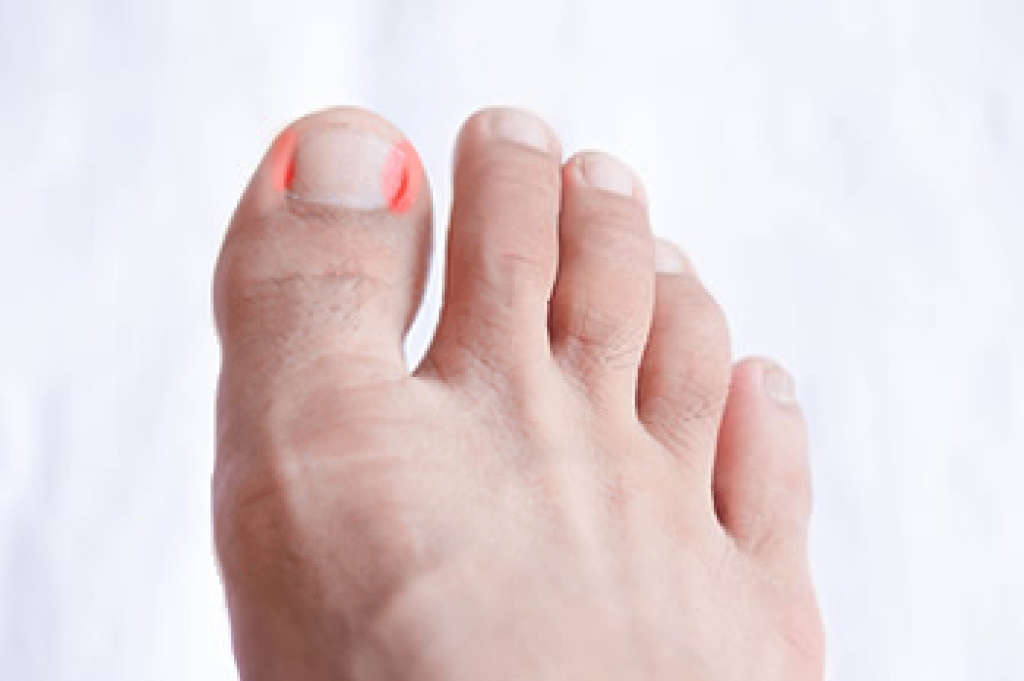
An ingrown toenail is a foot condition that can cause severe pain and discomfort. It occurs as a result of the nail growing into the skin instead of over it. This ailment typically happens to the big toe, and may make the area look red and swollen. A common cause for ingrown toenails to develop can include wearing shoes that do not have adequate room for the toes to move freely in. Additionally, this condition may develop from improperly trimming the toenails. Patients may find mild relief when the affected foot is soaked in warm water several times per day. This may be helpful in lifting the nail away from the skin with a small piece of cotton. For severely infected ingrown toenails, it is suggested that you schedule a consultation with a podiatrist who can provide the necessary treatment for recovery.

Ingrown toenails can become painful if they are not treated properly. For more information about ingrown toenails, contact one of our podiatrists of Princeton Foot and Ankle Associates. Our doctors can provide the care you need to keep you pain-free and on your feet.

Ingrown Toenails

Ingrown toenails occur when a toenail grows sideways into the bed of the nail, causing pain, swelling, and possibly infection.

Causes

  • Bacterial infections
  • Improper nail cutting such as cutting it too short or not straight across
  • Trauma to the toe, such as stubbing, which causes the nail to grow back irregularly
  • Ill-fitting shoes that bunch the toes too close together
  • Genetic predisposition

Prevention

Wearing proper fitting shoes and using proper cutting techniques will also help decrease your risk of developing ingrown toenails.

Treatment

Ingrown toenails are a very treatable foot condition. In minor cases, soaking the affected area in salt or antibacterial soaps will not only help with the ingrown nail itself, but also help prevent any infections from occurring. In more severe cases, surgery is an option. In either case, speaking to your podiatrist about this condition will help you get a better understanding of specific treatment options that are right for you.

If you have any questions, please feel free to contact our offices located in Princeton, and West Windsor, NJ . We offer the newest diagnostic and treatment technologies for all your foot care needs.

Read more about Ingrown Toenail Care

Are Bunions Affecting Your Everyday Life?

Have you noticed a bony protrusion on the side of your big toe? If so, you may have developed the foot condition known as a bunion. Don't let bunions interfere with your daily activities.

Advanced Podiatric Procedures & Services in the Mercer County: Princeton, West Windsor, East Windsor, Cranbury, South Brunswick Township, Hopewell, Montgomery, Rocky Hill, Plainsboro township areas