Stress Mats May Help the Feet

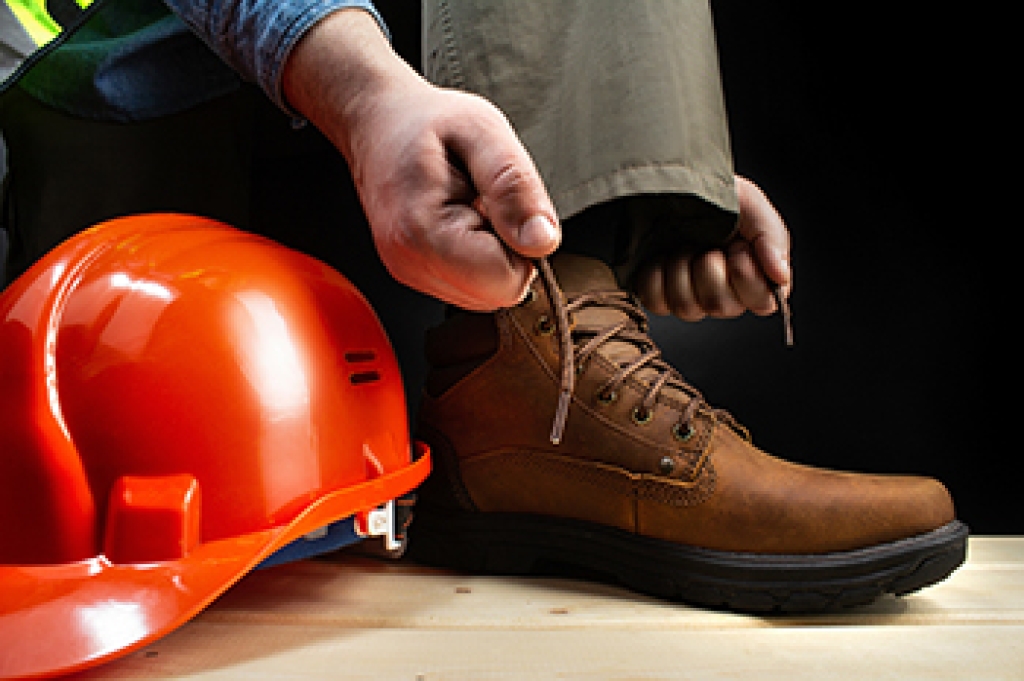
There are many professions including the medical field, retail positions, and the restaurant industry that require standing for most of the day. The feet endure the weight of the body, and this can result in foot pain at the end of the day. This may be prevented by wearing shoes that fit correctly, and elevating the feet as often as possible. Additionally, it is beneficial to stand on a stress mat, which can provide cushioning for the overall body. The feet are considered to be the foundation of the body, and maintaining proper foot care while standing or walking may help to reduce the risk of incurring painful conditions. Crooked or misaligned feet may happen from wearing the wrong shoes, which may gradually lead to developing joint pain in other parts of the body. It is beneficial for patients who notice their feet are tender and achy to take prompt action in protecting their feet while working. If you would like more information about effective methods on how to care for your feet during the workday, please consult with a podiatrist. 

While working on the feet, it is important to take the proper care of them. For more information about working on your feet, contact one of our podiatrists from Princeton Foot and Ankle Associates. Our doctors will treat your foot and ankle needs.

Working on Your Feet

Standing on your feet for long periods of time can cause stress and pain in your feet. Your whole body may experience change in terms of posture, back pain, bunions, callouses and or plantar warts. There are ways to avoid these conditions with proper foot care, smart choices and correct posture.

Positive Changes

Negative heeled shoe – Choosing this shoe type places the heel slightly lower than the ball of the foot. These are great for overall foot health. Find shoes that fit you correctly.

Go barefoot – Our feet were not designed to be enclosed for all hours of the day. Try to periodically expose your feet to air.

Eliminate Pain

Foot Exercises – Performing simple exercises, incorporating yoga and doing stretches are beneficial. This will allow increased blood flow to the area and muscles of the foot.

Achilles tendon – Stretching the foot out flat on the floor will relax the calf muscles and tendon. These exercises can be performed almost anywhere. Make sure you add these exercises to your daily regimen. 

With a little bit of this information and knowing more about foot health, you will notice changes. Foot stretches and proper footwear will help with pain and prevent further issues.

If you have any questions please contact our offices located in Princeton, and West Windsor, NJ . We offer the newest diagnostic and treatment technologies for all your foot and ankle needs.
Read more about Working on Your Feet

Sleeping and Ankle Sprains

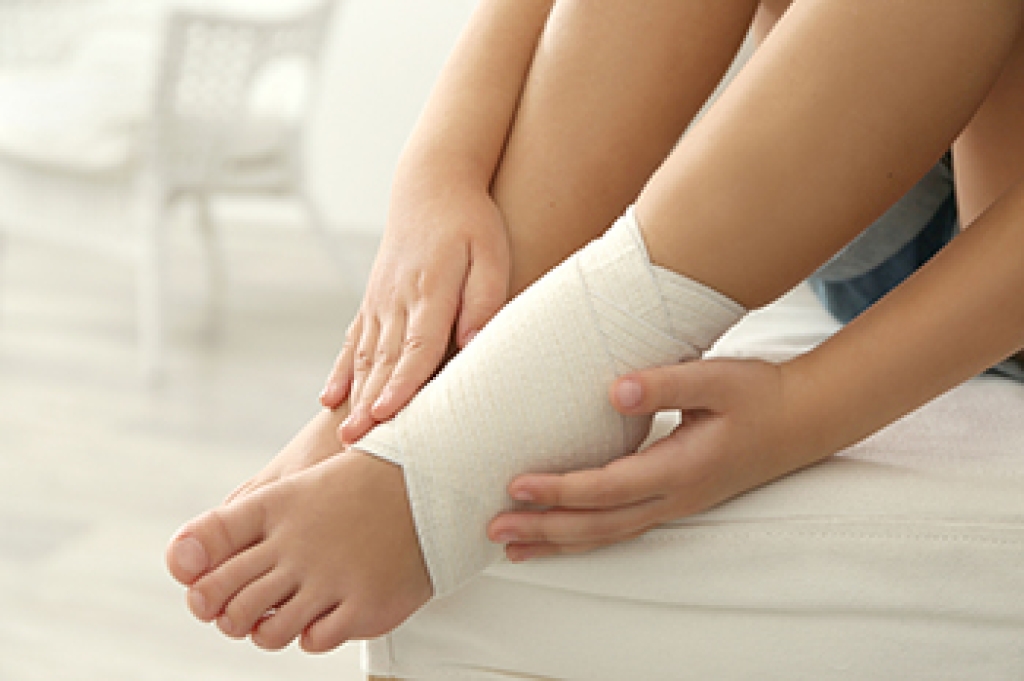
When an individual sprains an ankle they may notice that the tissues or ligaments surrounding the ankle bones have become stretched or unnaturally torn. As a result, the ankle sprain might cause discomfort to the patient and they may demonstrate some kind of limitation in the degree of their ankle motion. An individual may notice that sleeping with an ankle that is sprained can be uncomfortable or difficult. There are several steps that one might consider taking when trying to sleep easier with a sprained ankle. The pain at night stemming from the sprained ankle largely depends on how you are caring for the ankle throughout the day. For example, resting, elevating, and possibly icing the ankle during the daytime may lead to decreased discomfort during the nighttime. Additionally, a person might consider elevating the foot to help mitigate the discomfort felt at night from an ankle sprain. If you are having trouble sleeping at night due to an ankle sprain, contact a podiatrist today. 

Ankle sprains are common but need immediate attention. If you need your feet checked, contact one of our podiatrists from Princeton Foot and Ankle Associates. Our doctors can provide the care you need to keep you pain-free and on your feet.

How Does an Ankle Sprain Occur?

Ankle sprains take place when the ligaments in your ankle are torn or stretched beyond their limits. There are multiple ways that the ankle can become injured, including twisting or rolling over onto your ankle, putting undue stress on it, or causing trauma to the ankle itself.

What Are the Symptoms?

  • Mild to moderate bruising
  • Limited mobility
  • Swelling
  • Discoloration of the skin (depending on severity)

Preventing a Sprain

  • Wearing appropriate shoes for the occasion
  • Stretching before exercises and sports
  • Knowing your limits

Treatment of a Sprain

Treatment of a sprain depends on the severity.  Many times, people are told to rest and remain off their feet completely, while others are given an air cast. If the sprain is very severe, surgery may be required.

If you have suffered an ankle sprain previously, you may want to consider additional support such as a brace and regular exercises to strengthen the ankle.

If you have any questions please feel free to contact our offices located in Princeton, and West Windsor, NJ . We offer the newest diagnostic tools and technology to treat your foot and ankle needs.

Read more about Three Grades of Ankle Sprains

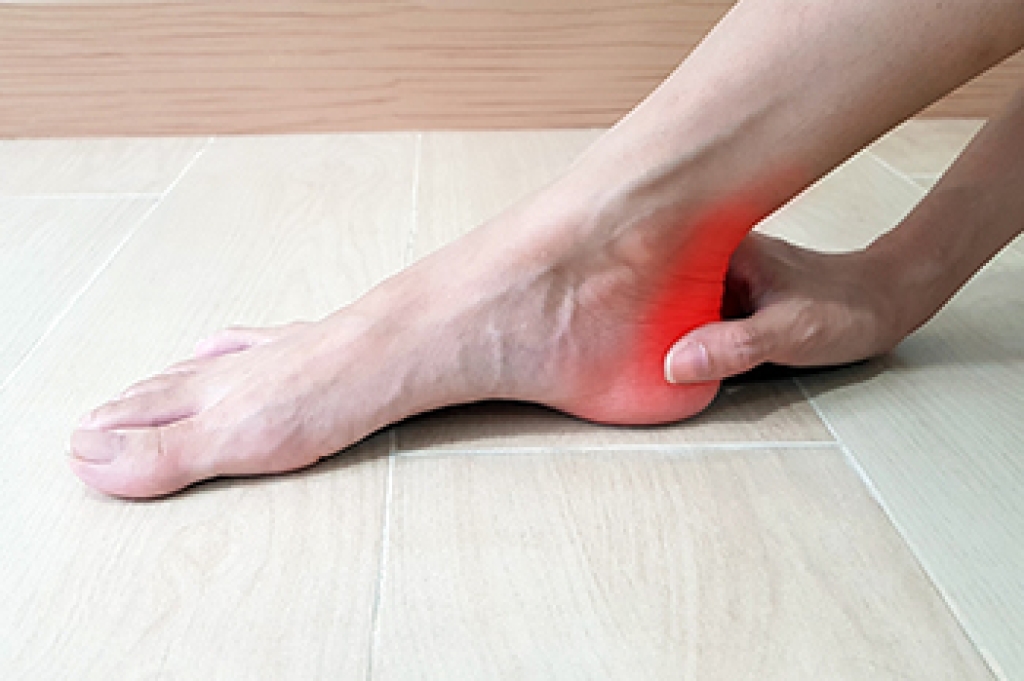
Facts About Achilles Tendonitis

Achilles tendonitis is a condition that affects the large tendon that connects the calf muscles to the heel. When the Achilles tendon becomes inflamed, most commonly from overuse, it causes pain in the back of the foot and the heel. Most at risk for this type of injury are active adults between 30 and 50 years old. The pain often worsens after exercising and can be accompanied by stiffness, swelling, and tenderness to the touch. Because Achilles tendonitis is an overuse injury, it is a good idea to avoid sudden increases in the amount or frequency of exercise. Jumping repeatedly during exercise and running on hard surfaces also can add to the damage. Most importantly, choose supportive footwear that provides ample cushioning and arch support. If you believe you may have an Achilles tendon injury, please consult a podiatrist who can perform diagnostic tests to determine the severity of the condition and offer appropriate treatment options. 

Achilles tendon injuries need immediate attention to avoid future complications. If you have any concerns, contact one of our podiatrists of Princeton Foot and Ankle Associates. Our doctors can provide the care you need to keep you pain-free and on your feet.

What Is the Achilles Tendon?

The Achilles tendon is a tendon that connects the lower leg muscles and calf to the heel of the foot. It is the strongest tendon in the human body and is essential for making movement possible. Because this tendon is such an integral part of the body, any injuries to it can create immense difficulties and should immediately be presented to a doctor.

What Are the Symptoms of an Achilles Tendon Injury?

There are various types of injuries that can affect the Achilles tendon. The two most common injuries are Achilles tendinitis and ruptures of the tendon.

Achilles Tendinitis Symptoms

  • Inflammation
  • Dull to severe pain
  • Increased blood flow to the tendon
  • Thickening of the tendon

Rupture Symptoms

  • Extreme pain and swelling in the foot
  • Total immobility

Treatment and Prevention

Achilles tendon injuries are diagnosed by a thorough physical evaluation, which can include an MRI. Treatment involves rest, physical therapy, and in some cases, surgery. However, various preventative measures can be taken to avoid these injuries, such as:

  • Thorough stretching of the tendon before and after exercise
  • Strengthening exercises like calf raises, squats, leg curls, leg extensions, leg raises, lunges, and leg presses

If you have any questions please feel free to contact our offices located in Princeton, and West Windsor, NJ . We offer the newest diagnostic tools and technology to treat your foot and ankle needs.

Read more about The Causes, Types, and Treatments of Achilles Tendon Injuries

Reminder: When Was the Last Time...?

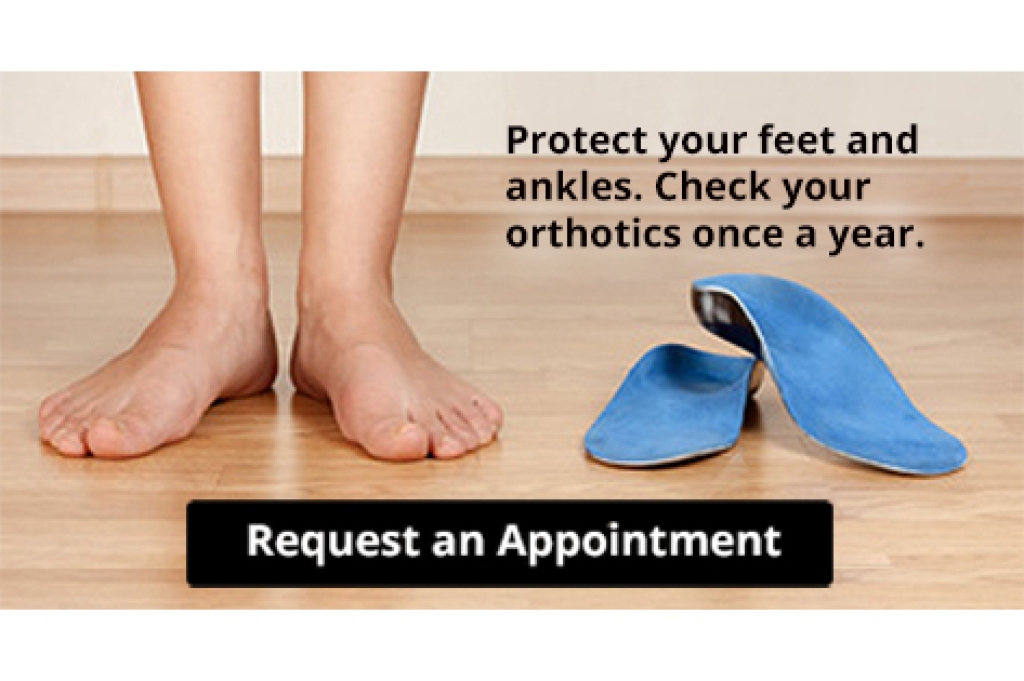
Custom orthotics, or shoe inserts, should be periodically replaced. Orthotics must fit properly to give you the best results. Protect your feet and ankles!

Basic Hygiene for Healthy Feet

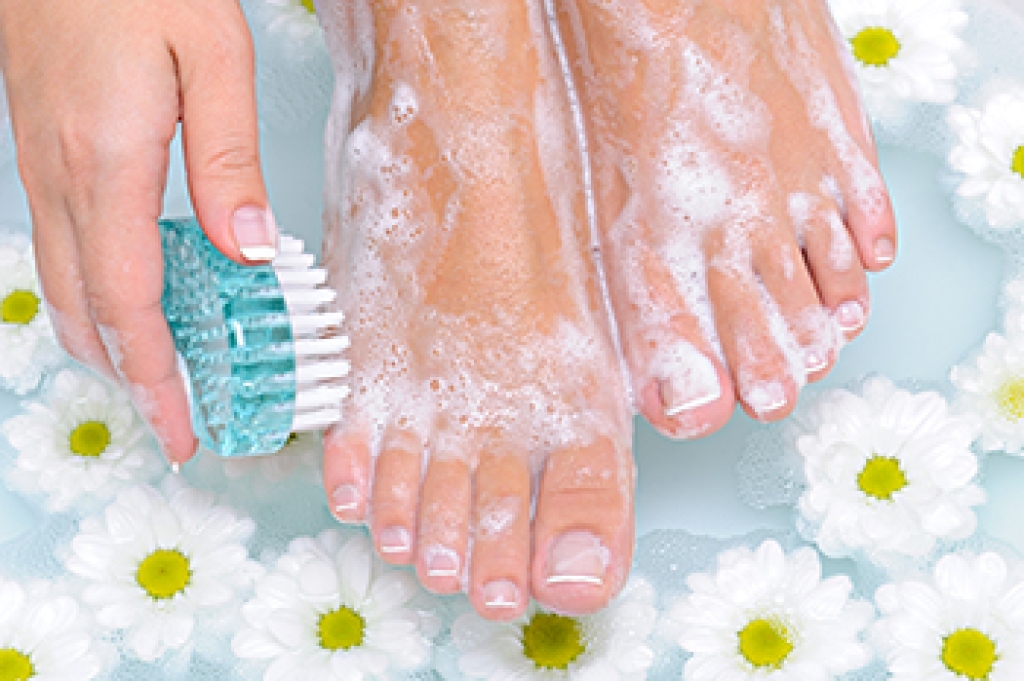
Even though our feet carry us throughout the day, they are often neglected when it comes to hygiene. Experts agree that many diseases and foot conditions can be prevented if you take care of your feet. Recommendations include doing simple tasks, like washing and drying the feet daily, keeping toenails trimmed straight across and not cut too short, and changing your socks each day. It is also recommended that shoes fit properly and be alternated to give them a chance to air out and help ward off bacterial infections. Of utmost importance to warding off infections is careful and frequent monitoring of cuts, sores, and bruises on the feet and toes. Special attention should be placed on the soles of the feet, which are hard to see and often forgotten. Several conditions directly related to foot hygiene are fungal infections like athlete’s foot, nerve and blood flow problems caused by diabetes, and ingrown toenails. For more information on proper foot hygiene, please consult a podiatrist.

Everyday foot care is very important to prevent infection and other foot ailments. If you need your feet checked, contact one of our podiatrists from Princeton Foot and Ankle Associates. Our doctors can provide the care you need to keep you pain-free and on your feet.

Everyday Foot Care

Often, people take care of their bodies, face and hair more so than they do for their feet. But the feet are a very important aspect of our bodies, and one that we should pay more attention to. Without our feet, we would not be able to perform most daily tasks.

It is best to check your feet regularly to make sure there are no new bruises or cuts that you may not have noticed before. For dry feet, moisturizer can easily be a remedy and can be applied as often as necessary to the affected areas. Wearing shoes that fit well can also help you maintain good foot health, as well as making it easier to walk and do daily activities without the stress or pain of ill-fitting shoes, high heels, or even flip flops. Wearing clean socks with closed shoes is important to ensure that sweat and bacteria do not accumulate within the shoe. Clean socks help to prevent Athlete’s foot, fungi problems, bad odors, and can absorb sweat.

If you have any questions, please feel free to contact our offices located in Princeton, and West Windsor, NJ . We offer the newest diagnostic and treatment technologies for all your foot care needs.

Read more about Every Day Foot Care
Advanced Podiatric Procedures & Services in the Mercer County: Princeton, West Windsor, East Windsor, Cranbury, South Brunswick Township, Hopewell, Montgomery, Rocky Hill, Plainsboro township areas