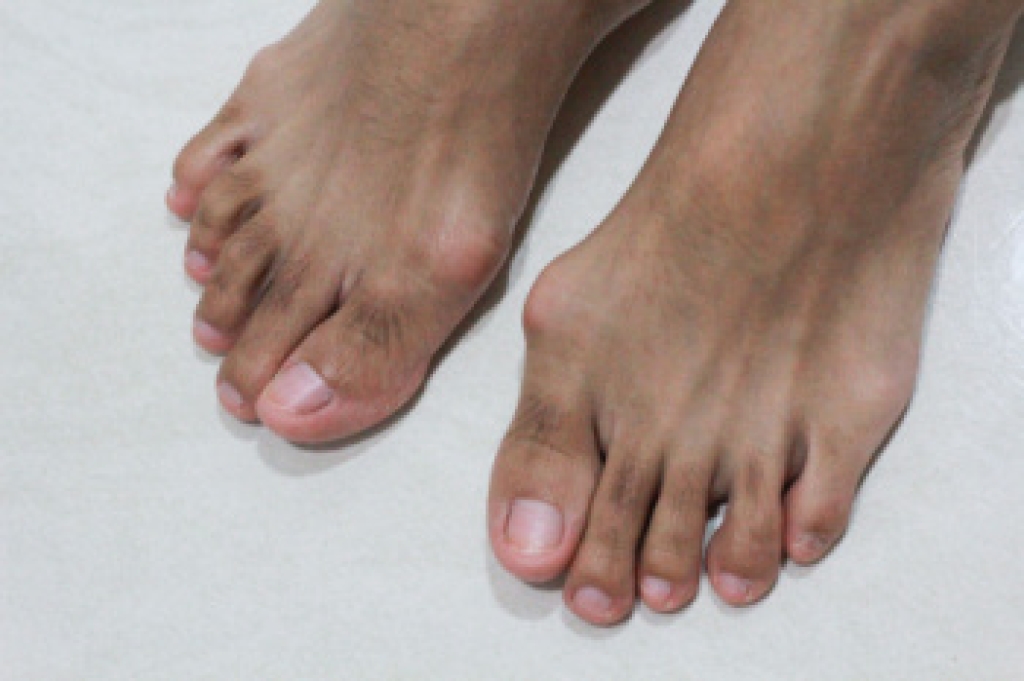
Causes of Bunions

Bunions are bony protrusions that form at the base of the big toe that can become painful and lead to discomfort while walking. Several factors contribute to the development of bunions. One of the most significant causes of bunions is genetics. If bunions run in your family, you are more likely to develop them. Wearing tight, narrow, or high-heeled shoes can force the toes into an unnatural position, increasing the risk of bunions. This type of footwear can squeeze the toes and push them out of alignment over time. Additionally, certain foot shapes and structures can predispose individuals to bunions. People with flat feet or low arches may be more susceptible. Conditions such as rheumatoid arthritis can cause inflammation in the joints of the foot, potentially leading to the formation of bunions. Foot injuries or trauma can disrupt the normal alignment of the toes, promoting bunion development. Occupations that require prolonged standing or walking can increase the pressure on the toes, increasing the likelihood of bunions. Lastly, bunions tend to develop more frequently as individuals age and wear and tear on the joints accumulate over time. If you have a bunion that is causing you discomfort, it is suggested that you schedule an appointment with a podiatrist who can talk to you about treatments that are right for you.

If you are suffering from bunion pain, contact one of our podiatrists of Princeton Foot and Ankle Associates. Our doctors can provide the care you need to keep you pain-free and on your feet.

What Is a Bunion?

Bunions are painful bony bumps that usually develop on the inside of the foot at the joint of the big toe. As the deformity increases over time, it may become painful to walk and wear shoes. Women are more likely to exacerbate existing bunions since they often wear tight, narrow shoes that shift their toes together. Bunion pain can be relieved by wearing wider shoes with enough room for the toes.

Causes

  • Genetics – some people inherit feet that are more prone to bunion development
  • Inflammatory Conditions - rheumatoid arthritis and polio may cause bunion development

Symptoms

  • Redness and inflammation
  • Pain and tenderness
  • Callus or corns on the bump
  • Restricted motion in the big toe

In order to diagnose your bunion, your podiatrist may ask about your medical history, symptoms, and general health. Your doctor might also order an x-ray to take a closer look at your feet. Nonsurgical treatment options include orthotics, padding, icing, changes in footwear, and medication. If nonsurgical treatments don’t alleviate your bunion pain, surgery may be necessary.

If you have any questions, please feel free to contact our offices located in Princeton, and West Windsor, NJ . We offer the newest diagnostic and treatment technologies for all your foot care needs.


Read more about What Are Bunions?

Long Term Ankle Sprain Treatment

Ankle sprains are a common foot injury, affecting approximately 25,000 people daily. They demand swift and accurate treatment to avoid prolonged recovery times. The emphasis is to heal the injured ankle as well as reduce the risk of chronic sprains. Ankle sprains occur when ligaments on the outer side of the joint are stretched or torn due to the inward or outward rolling of the foot. These are known as inversion or eversion sprains. Adequate rest and rehabilitation during the early recovery phase is essential and can range from days to months, based on severity. Complete healing lays the foundation for preventing long term issues. Engaging in targeted exercises to strengthen legs, feet, and ankles is essential for restoring balance and normal function to the tendons, joints, and muscles of the ankle. Further, wearing ankle braces or bandages during activities that stress ligaments can help to protect and stabilize the ankle. Choosing well-fitted, activity-specific footwear is equally important, with considerations for high-top or hiking boots during the recovery phase for enhanced ankle stability. In severe cases, surgical intervention may be recommended to repair torn or stretched ligaments. For help with managing ankle sprains, it is suggested that you schedule an appointment with a podiatrist.

Although ankle sprains are common, they aren’t always minor injuries. If you need your ankle injury looked at, contact one of our podiatrists from Princeton Foot and Ankle Associates. Our doctors can provide the care you need to keep you pain-free and on your feet.

How Does an Ankle Sprain Occur?

Ankle sprains are the result of a tear in the ligaments within the ankle. These injuries may happen when you make a rapid shifting movement while your foot is planted. A less common way to sprain your ankle is when your ankle rolls inward while your foot turns outward.

What Are the Symptoms?

  • Pain at the sight of the tear
  • Bruising/Swelling
  • Ankle area is tender to touch
  • In severe cases, may hear/feel something tear
  • Skin discoloration

Preventing a Sprain

  • Wearing appropriate shoes for the occasion
  • Stretching before exercises and sports
  • Knowing your limits

Treatment of a Sprain

In many cases, the RICE method (Rest, Ice, Compression, and Elevate) is used to treat ankle sprains. However, you should see a podiatrist to see which treatment option would work best with your injury. In severe cases, surgery may be required.

It is important to ask your doctor about rehab options after you receive treatment for your injury. Stretching, strength training, and balance exercises may help the ankle heal while also preventing further injury.

If you have any questions, please feel free to contact our offices located in Princeton, and West Windsor, NJ . We offer the newest diagnostic and treatment technologies for all your foot care needs.

Read more about Three Grades of Ankle Sprains

Podiatrists Are Foot Care Experts

Podiatrists are specialized healthcare professionals who focus on the diagnosis, treatment, and prevention of disorders related to the feet and lower extremities. Podiatrists undergo extensive education and training, equipping them with the knowledge to address a spectrum of foot conditions, from common ailments to complex issues. Their responsibilities encompass conducting thorough examinations, utilizing diagnostic tools, and devising personalized treatment plans. Podiatrists commonly treat conditions such as bunions, heel pain, and toenail disorders. They may also provide guidance on proper foot care, footwear selection, and preventive measures. These professionals operate in diverse settings, including private practices, hospitals, and outpatient clinics. Some podiatrists specialize further in areas, such as sports medicine or surgery, offering comprehensive care for individuals of all ages. If you have foot or ankle problems, it is suggested that you make an appointment with a podiatrist.

If you are dealing with pain in your feet and ankles, you may want to seek help from a podiatrist. Feel free to contact one of our podiatrists from Princeton Foot and Ankle Associates. Our doctors can provide the care you need to keep you pain-free and on your feet.

What Is a Podiatrist?

A podiatrist diagnoses and treats conditions of the foot, ankle, and related structures of the leg. Your podiatrist may specialize in a certain field such as sports medicine, wound care, pediatrics, and diabetic care. Podiatrists have the ability to become board certified through training, clinical experience, and then taking an exam.

What Do Podiatrists Do?

On a daily basis, a podiatrist may perform the following activities:

  • Diagnose foot ailments such as ulcers, tumors, fractures, etc.
  • Use innovative methods to treat conditions
  • Use corrective orthotics, casts, and strappings to correct deformities
  • Correct walking patterns and balance
  • Provide individual consultations to patients

It is very important that you take care of your feet. It’s easy to take having healthy feet for granted, however foot problems tend to be among the most common health conditions. Podiatrists can help diagnose and treat a variety of feet related conditions, so it is crucial that you visit one if you need assistance.

If you have any questions, please feel free to contact our offices located in Princeton, and West Windsor, NJ . We offer the newest diagnostic and treatment technologies for all your foot care needs.
Read more about What is a Podiatrist?

Heel Pain Can Be Treated!

Do you suffer from heel pain when you get up in the morning? If so, you should seek professional help and have a proper diagnosis performed. Heel pain can be caused by several different foot-related conditions.

Causes of Thick Toenails

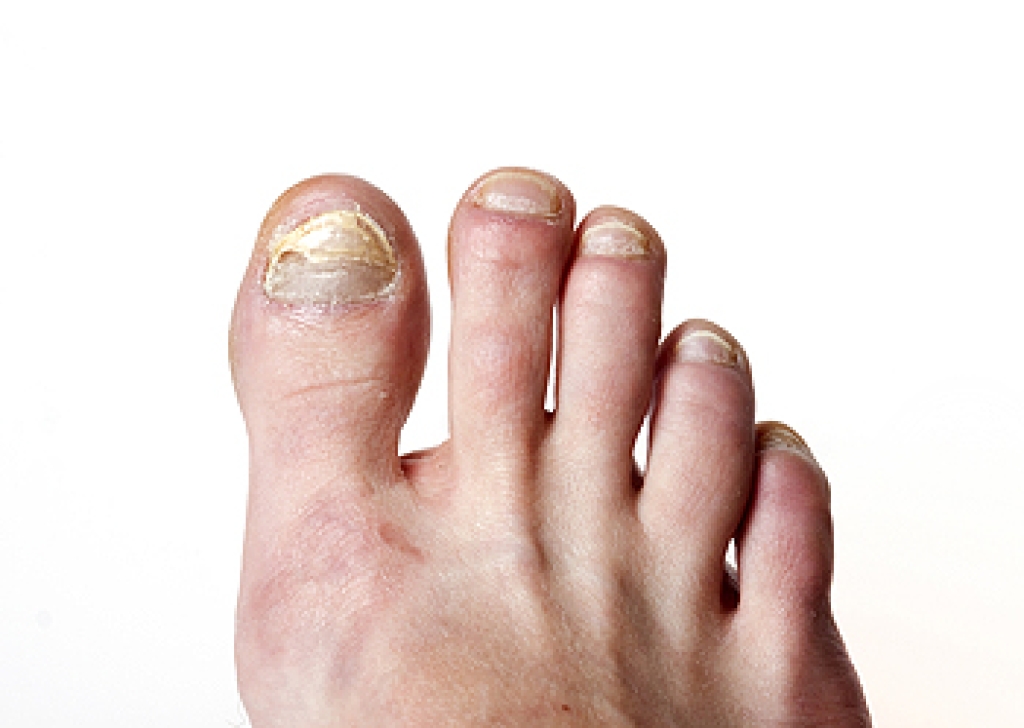
Thick toenails are a prevalent issue among the older adults, often signifying underlying health problems that require intervention. Prompt attention is important, as delayed treatment can result in excessively brittle nails. Various factors contribute to the development of thick toenails. Fungal nail infections, which affect nearly 10 percent of the U.S. population, are a leading cause. Dermatophytes, candida, or non-dermatophytic molds often trigger these infections. Nail injuries, poor foot hygiene, and compromised immune systems can make the situation worse. Nail psoriasis, a common skin condition, presents another potential cause of thick toenails. Distinctive symptoms include pitting, ridging, and abnormal contours. Additionally, diabetes, toe injuries, yellow nail syndrome, and the natural aging process can contribute to the thickening of toenails. Treatment options include prescribed antifungal medications, both oral and topical, and, in severe cases, surgical or chemical nail removal. Recognizing the diverse causes of thick toenails enables individuals to seek appropriate podiatric care. For help with thickened toenails, it is suggested that you schedule an appointment with a podiatrist for an evaluation and a discussion of treatment options. 

For more information about treatment, contact one of our podiatrists of Princeton Foot and Ankle Associates. Our doctors can provide the care you need to keep you pain-free and on your feet.

Toenail Fungus Treatment

Toenail fungus is a condition that affects many people and can be especially hard to get rid of. Fortunately, there are several methods to go about treating and avoiding it.

Antifungals & Deterrence

Oral antifungal medicine has been shown to be effective in many cases. It is important to consult with a podiatrist to determine the proper regiment for you, or potentially explore other options.

Applying foot powder on the feet and shoes helps keep the feet free of moisture and sweat.

Sandals or open toed shoes – Wearing these will allow air movement and help keep feet dry. They also expose your feet to light, which fungus cannot tolerate. Socks with moisture wicking material also help as well.

If you have any questions please contact our offices located in Princeton, and West Windsor, NJ . We offer the newest diagnostic and treatment technologies for all your foot and ankle needs.

Read more about Toenail Fungus
Advanced Podiatric Procedures & Services in the Mercer County: Princeton, West Windsor, East Windsor, Cranbury, South Brunswick Township, Hopewell, Montgomery, Rocky Hill, Plainsboro township areas