Ankle Replacement Surgery

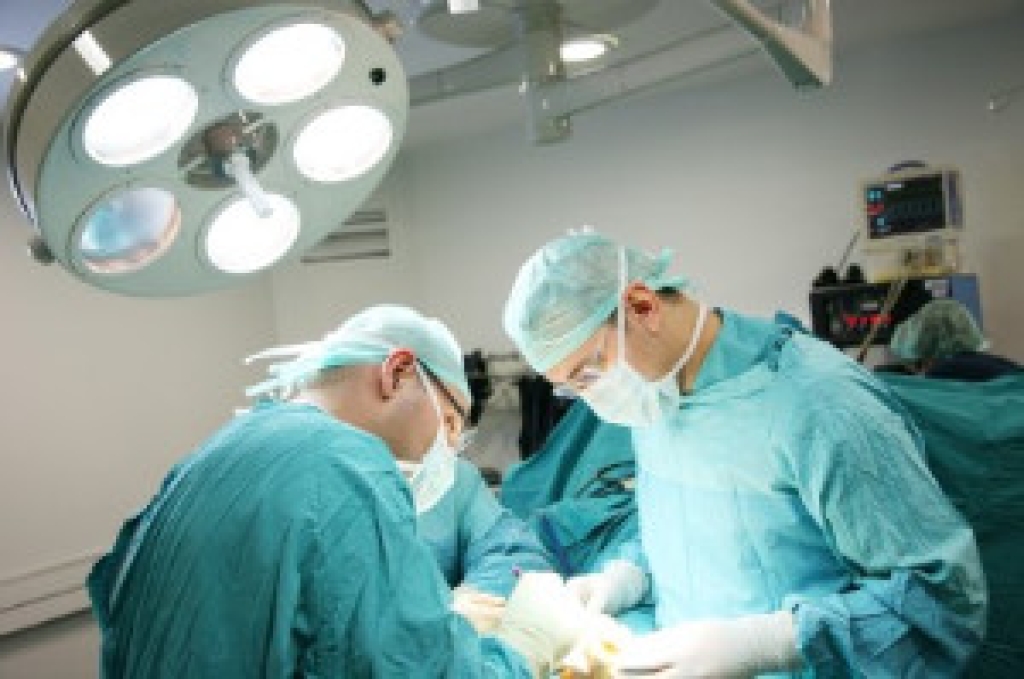
When your ankle joint is damaged by arthritis, trauma, or a medical condition and it’s not responding to conservative treatment—and your quality of life is suffering—ankle replacement surgery may offer relief. This may be a viable treatment option, depending on your condition and overall health. Ankle replacement surgery (sometimes referred to as ankle arthroplasty) involves removing the damaged bone and cartilage of the ankle joint and replacing them with prosthetics made of metal or plastic that work together and operate like your natural ankle joint. Ankle replacement surgery can help increase stability and mobility in the joint as well as reduce pain. To learn more about ankle replacement surgery and determine if you might be a good candidate, it is a good idea to consult with a podiatrist for an exam and diagnosis.

In certain cases, in which the patient suffers from extreme pain or damage in a joint, joint replacement surgery may be deemed useful. If you have constant pain in a foot joint, consult with one of our podiatrists from Princeton Foot and Ankle Associates. Our doctors will assess your condition and provide you with quality foot and ankle treatment.

What Is Joint Replacement Surgery?

Over time, joints wear down; this can be exacerbated by diseases and conditions. Joint replacement surgery, also known as arthroplasty, is when a damaged joint is surgically removed and replaced with a prosthesis. Prostheses, which can be made of ceramic, plastic, or metal, act as joints in lieu of an actual joint. One of the most prevalent causes for joint replacement is arthritis.

Arthritis in the Foot

Arthritis can occur in any joint in the body, including in the feet. Common types of arthritis in the foot are osteoarthritis, rheumatoid arthritis, and gout. The big toe is usually where arthritis occurs in the foot; this is known as hallux rigidus.

Joint Replacement Surgery in the Foot

The most common form of joint replacement in the foot is a first metatarsophalangeal (MTP) joint placement. MTP joint replacement surgery is designed to treat hallux rigidus. Surgery is not intensive, and recovery occurs within one to two months after the procedure has been done. Overall, joint replacement surgery is a safe and effective way to treat pain in the joint of the foot.

If you have any questions, please feel free to contact our offices located in Princeton, and West Windsor, NJ . We offer the newest diagnostic and treatment technologies for all your foot care needs.


Read more about Joint Replacement Surgery

Heel Pain Can Be Treated!

Do you suffer from heel pain when you get up in the morning? If so, you should seek professional help and have a proper diagnosis performed. Heel pain can be caused by several different foot-related conditions.

The 5 Types of Running Shoes

Finding the right running shoe to accommodate your foot structure and prevent injury can be a daunting task, particularly if you are a beginner. Here is a brief introduction of the 5 types of running shoes. 1) Racing Flats are lightweight shoes built for long distance and speed with far less cushioning than those made for more general training. They are not appropriate if you are just starting out. 2) Trail Runners are protective and stable running shoes made to accommodate the changing terrain you would encounter in nature (mud, road, grass, hard packed surfaces). 3) Stability Sneakers, made for people with normal arches, support the arch and ankle during the gait cycle and help prevent the foot from overpronation (extreme inward rolling). 4) Motion Control Shoes have a more rigid construction which can help avoid overpronation in people with low arches or with pronation problems. Heavier runners may benefit also from their extra stability and durability. 5) Cushioned Shoes, or neutral padded shoes, can help runners that do not pronate sufficiently during the gait cycle, which may help those with high arches. This footwear offers extra shock absorption in the midsole and outsole. For more individualized advice on the specific features that would be most beneficial for your individual feet and fitness goals, consult with a podiatrist.

If you are a runner, wearing the right running shoe is essential. For more information, contact one of our podiatrists from Princeton Foot and Ankle Associates. Our doctors can provide the care you need to keep you pain-free and on your feet.

Choosing the Right Running Shoe for Your Foot Type

To increase performance and avoid the risk of injury, it is important to choose the right running shoe based on your foot type. The general design of running shoes revolves around pronation, which is how the ankle rolls from outside to inside when the foot strikes the ground.

  • Neutral runners are able to choose from a wide variety of shoes, including minimalist shoes or even going barefoot.
  • Runners who overpronate, or experience an over-abundance of ankle rolling, should choose shoes that provide extra motion control and stability.
  • Runners who underpronate, or supinate, have feet that have high arches and lack flexibility, preventing shock absorption. They require shoes with more flexibility and cushion.

If you have any questions, please feel free to contact our offices located in Princeton, and West Windsor, NJ . We offer the newest diagnostic and treatment technologies for all your foot care needs.
Read more about Choosing the Right Running Shoe for Your Foot Type

Ugly Cracked Heels

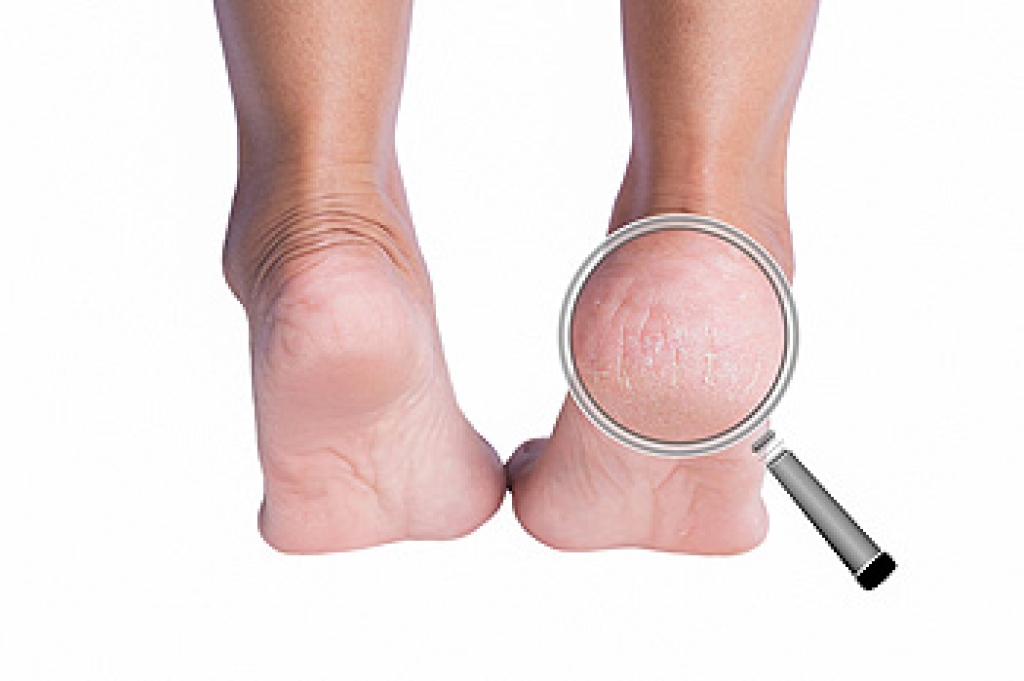
Cracked heels can be unsightly. The skin on the heel becomes dry and thickened and can even start to crack or fissure. Anyone can develop cracked heels, but it is more likely to happen to those who wear shoes with open heels (like sandals), take very hot baths or showers, use harsh soaps, have cold/dry skin, stand for long periods of time, have a physical condition such as obesity, diabetes or eczema or some deformity of the foot, like flat feet. No matter what the cause of your cracked heels are, there are steps you can take to prevent and treat them. Removing dry skin with a loofah and applying a heavy moisturizer to the bottom of the feet regularly helps. Typically, cracked heels won't cause serious health concerns, but occasionally severely cracked heels can get infected and lead to a skin infection called cellulitis. If this condition persists, it is important to see a qualified podiatrist for proper diagnosis and treatment.

Cracked heels are unsightly and can cause further damage to your shoes and feet. If you have any concerns, contact one of our podiatrists from Princeton Foot and Ankle Associates. Our doctors can provide the care you need to keep you pain-free and on your feet.

Cracked Heels

Cracked heels appear unappealing and can make it harder for you walk around in sandals. Aside from looking unpleasant, cracked heels can also tear stockings, socks, and wear out your shoes. There are several methods to help restore a cracked heel and prevent further damage.

How Do You Get Them?

Dry skin is the number one culprit in creating cracked heels. Many athletes, walkers, joggers, and even swimmers suffer from cracked heels. Age and skin oil production play a role to getting cracked heels as well.

Promote Healing

Over the counter medicines can help, especially for those that need instant relief or who suffer from chronic dry feet.

Wear Socks – Wearing socks with medicated creams helps lock in moisture.

Moisturizers – Applying both day and night will help alleviate dryness which causes cracking.

Pumice Stones – These exfoliate and remove dead skin, which allows for smoother moisturizer application and better absorption into the skin. 

Change in Diet

Eating healthy with a well-balanced diet will give the skin a fresh and radiant look. Your body responds to the kinds of food you ingest. Omega-3 fatty acids and zinc supplements can also revitalize skin tissue.

Most importantly, seek professional help if unsure how to proceed in treating cracked heels. A podiatrist will help you with any questions or information needed. 

If you have any questions, please feel free to contact our offices located in Princeton, and West Windsor, NJ . We offer the newest diagnostic and treatment technologies for all your foot care needs.

Read more about Solutions for Cracked Heels

Common Symptoms of Toenail Fungus

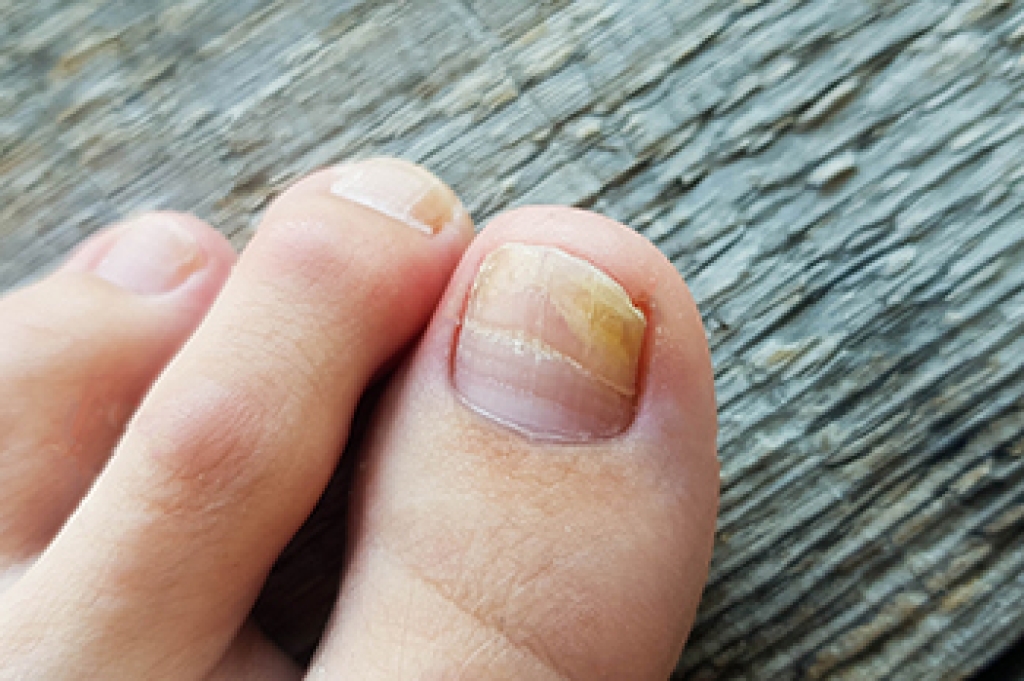
Toenail fungus is a common and contagious fungal infection that occurs when fungi get between the toenail and the toenail bed. This condition is more common as one ages, as well as for those with other conditions like athlete’s foot, diabetes, nail injuries or poor circulation. Fungi is attracted to dark, moist, warm places. One can get toenail fungus by walking barefoot in public areas, especially wet areas, such as swimming pools, public locker rooms, and showers. Toenail fungus may not be painful, but it can change the appearance of the toenails in terms of discoloration, thickening or misshapening, and/or cause separation from the nailbed. Toenail fungus can spread to the other toes or surrounding skin as well. This condition can typically be diagnosed by observation but is often tested to confirm the infection. It can take several months and repeated attempts at treatment to get rid of toenail fungus. If you suspect you have toenail fungus, please consult with a qualified podiatrist for proper diagnosis and treatment.

For more information about treatment, contact one of our podiatrists of Princeton Foot and Ankle Associates. Our doctors can provide the care you need to keep you pain-free and on your feet.

Toenail Fungus Treatment

Toenail fungus is a condition that affects many people and can be especially hard to get rid of. Fortunately, there are several methods to go about treating and avoiding it.

Antifungals & Deterrence

Oral antifungal medicine has been shown to be effective in many cases. It is important to consult with a podiatrist to determine the proper regiment for you, or potentially explore other options.

Applying foot powder on the feet and shoes helps keep the feet free of moisture and sweat.

Sandals or open toed shoes – Wearing these will allow air movement and help keep feet dry. They also expose your feet to light, which fungus cannot tolerate. Socks with moisture wicking material also help as well.

If you have any questions please contact our offices located in Princeton, and West Windsor, NJ . We offer the newest diagnostic and treatment technologies for all your foot and ankle needs.

Read more about Treating Toenail Fungus
Advanced Podiatric Procedures & Services in the Mercer County: Princeton, West Windsor, East Windsor, Cranbury, South Brunswick Township, Hopewell, Montgomery, Rocky Hill, Plainsboro township areas