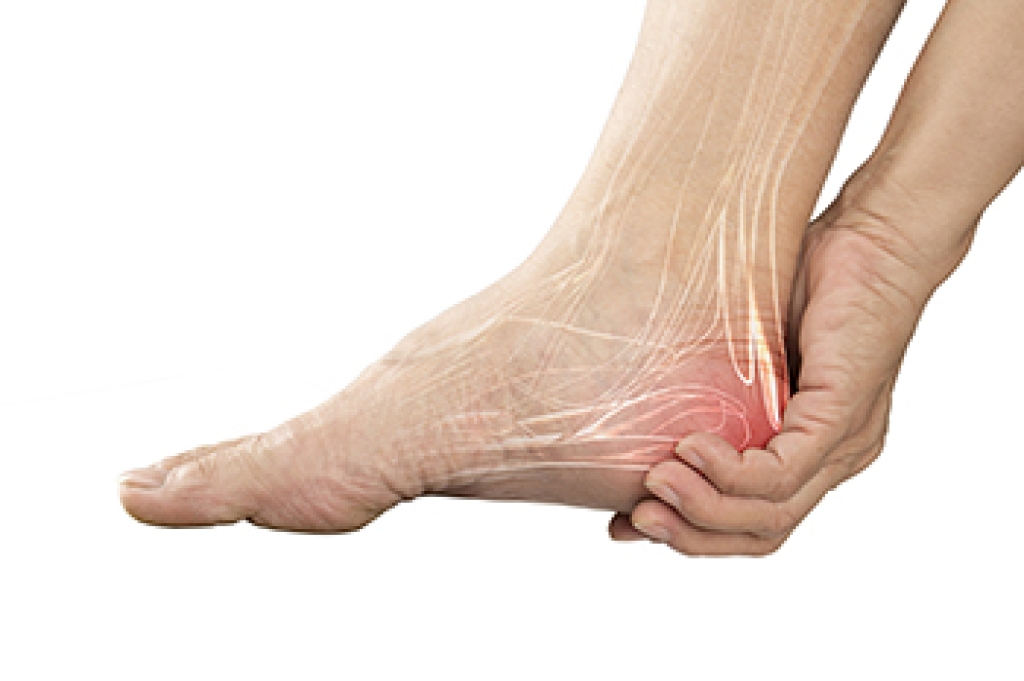
Why Diabetic Foot Care Is Essential for Healthy Feet

Healthy feet are especially important for people with diabetes because even a small foot problem can become serious without prompt care. Diabetic foot care plays an important role in protecting mobility and overall health. Diabetes can reduce feeling in the feet because nerves become damaged. This problem is called neuropathy, which means nerve damage. Reduced feeling makes it harder to notice cuts, blisters, or pressure points before they become serious. Diabetes can also reduce blood flow, slowing healing and increasing the risk of infection. Regular foot exams by a podiatrist help identify problems early and protect long-term foot health.

A podiatrist examines the skin, nails, and circulation to look for early warning signs. Care includes checking for wounds, evaluating foot shape, and recommending shoes with proper support. A podiatrist also explains how diabetes affects the feet and monitors changes that increase the chance of ulcers. An ulcer is an open sore that can become infected without prompt treatment. Early care helps lower the risk of serious complications and supports safer movement every day.

Ignoring early foot changes can allow small problems to become much more difficult to treat. Routine visits with a podiatrist provide careful monitoring and timely treatment that protects comfort and mobility. Professional care also helps detect circulation changes and nerve damage before serious complications develop. Patients who have diabetes benefit from consistent evaluations because small injuries can quickly become larger concerns when reduced feeling delays treatment. Regular appointments also give your podiatrist the opportunity to answer questions and recommend shoe features that reduce pressure while walking. If you are diabetic and have developed foot problems,  it is strongly suggested that you are under the care of a podiatrist who can help you to manage this serious condition.

Diabetic foot care is important in preventing foot ailments such as ulcers. If you are suffering from diabetes or have any other concerns about your feet, contact one of our podiatrists from Princeton Foot and Ankle Associates. Our doctors can provide the care you need to keep you pain-free and on your feet.

Diabetic Foot Care

Diabetes affects millions of people every year. The condition can damage blood vessels in many parts of the body, especially the feet. Because of this, taking care of your feet is essential if you have diabetes, and having a podiatrist help monitor your foot health is highly recommended.

The Importance of Caring for Your Feet

  • Routinely inspect your feet for bruises or sores.
  • Wear socks that fit your feet comfortably.
  • Wear comfortable shoes that provide adequate support.

Patients with diabetes should have their doctor monitor their blood levels, as blood sugar levels play such a huge role in diabetic care. Monitoring these levels on a regular basis is highly advised.

It is always best to inform your healthcare professional of any concerns you may have regarding your feet, especially for diabetic patients. Early treatment and routine foot examinations are keys to maintaining proper health, especially because severe complications can arise if proper treatment is not applied.

If you have any questions, please feel free to contact our offices located in Princeton, and West Windsor, NJ . We offer the newest diagnostic and treatment technologies for all your foot care needs.
Read more about Diabetic Foot Conditions

Plantar Warts Can Be Treated!

Plantar warts are small growths that develop on parts of the feet that bear weight. They're typically found on the bottom of the foot. Don't live with plantar warts, and call us today!

Healthy Feet for Older Adults

Healthy feet play an important role in staying active, independent, and safe as people grow older. Aging can change the joints, muscles, and bones of the feet, making them more vulnerable to pain and injury. The skin often becomes thinner and drier, while the natural padding on the bottom of the feet gradually decreases. These changes can make standing and walking less comfortable. Arthritis, poor circulation, and changes in foot shape also can increase the risk of foot problems. Symptoms include pain, stiffness, and difficulty while walking. Some older adults also notice balance problems or reduced feeling in their feet, which can increase the risk of falls. Regular foot care helps identify these concerns before they become more serious.

A podiatrist performs a detailed examination to evaluate the overall health of the feet. The evaluation includes checking the skin, toenails, and circulation. They may also look at foot structure, and joint movement. The podiatrist also observes how the patient stands and walks because changes in gait can increase pressure on certain areas of the feet. Gait is the body's walking pattern. The examination also looks for corns, calluses, and other conditions that can affect comfort and stability. Early diagnosis allows treatment to begin before foot problems interfere with mobility or independence. Routine podiatry visits also help monitor changes that naturally occur with aging.

Professional foot care focuses on maintaining comfort, improving stability, and protecting long-term foot health in older adults. A podiatrist can safely treat corns, fungal nail infections, and ingrown toenails before they become more painful. Care also includes custom orthotics that improve foot alignment and distribute pressure more evenly. The podiatrist can recommend shoes that fit properly and provide good support to improve comfort while walking. Regular follow-up visits help monitor foot health and reduce the risk of falls caused by painful foot conditions. Healthy feet support better balance, greater confidence, and continued independence. If you have symptoms of foot pain or other foot problems, it is suggested that you schedule an appointment with a podiatrist for diagnosis and treatment.

If you need your feet checked, contact one of our podiatrists of Princeton Foot and Ankle Associates. Our doctors will attend to all of your foot and ankle needs and provide you with quality treatment.

Geriatrics and Podiatry
When people age, some common issues that may occur are bone density loss, dry skin, poor circulation, and rough brittle nails. These issues may also affect your foot health if the necessary steps are not taken to alleviate the problems.

It is important to take care of your feet because feet that are injured or diseased can affect your overall health. Having painful feet hinders your ability to do daily activities or may decrease your willingness to do the things that you need to do.

Visiting Your Geriatrician
As we age, health problems become more likely, so it is essential to visit your doctor for check-ups to ensure that you are doing the best you can to take care of your health. It is recommended to check your feet frequently for any possible cuts, bruises, swelling, corns or any other irregularities. 

Taking Care of Elderly Feet
Cracked or dry feet can be treated by applying moisturizer often. It is also important not to wear old socks because the older the sock is, the higher the possibility there will be that there is bacteria there. Wear fresh socks and make sure they fit properly.

Proper foot health means that you can have a more active lifestyle and you will not be bogged down by pain. Foot health also leads to good circulation, which is paramount for overall health.

If you have any questions, please feel free to contact our offices located in Princeton, and West Windsor, NJ . We offer the newest diagnostic and treatment technologies for all your foot care needs.

Read more about Geriatrics and Podiatry
Advanced Podiatric Procedures & Services in the Mercer County: Princeton, West Windsor, East Windsor, Cranbury, South Brunswick Township, Hopewell, Montgomery, Rocky Hill, Plainsboro township areas