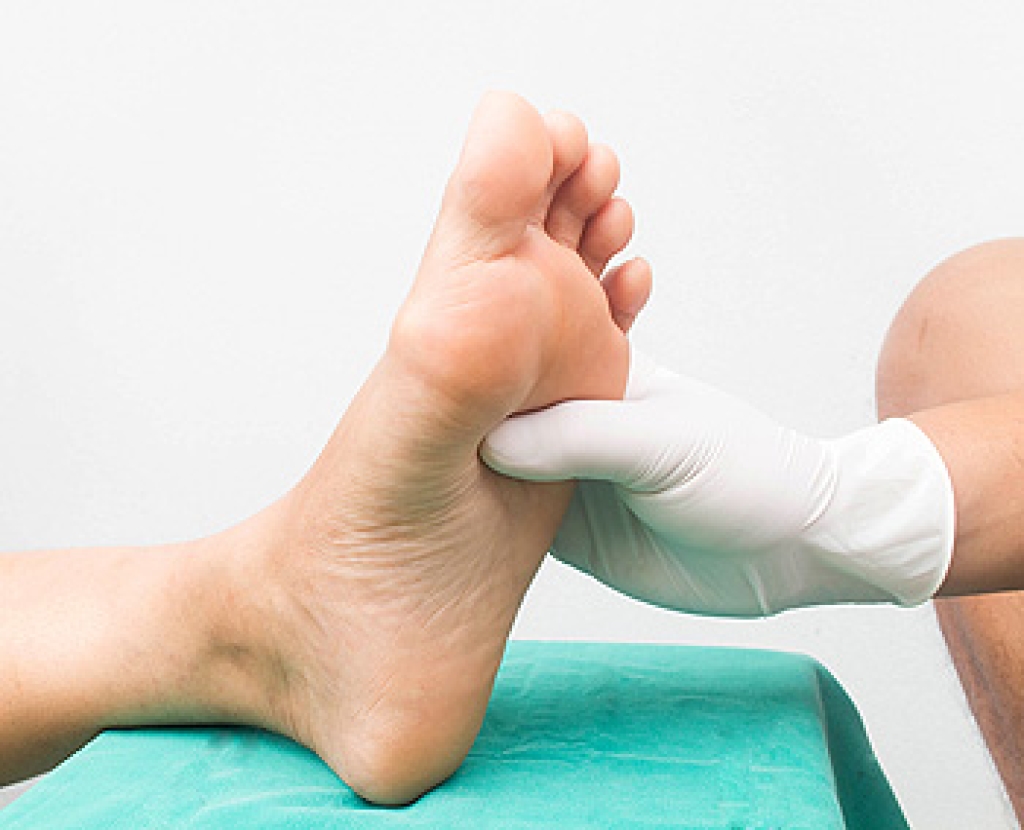
How Peripheral Neuropathy Affects the Feet

Peripheral neuropathy occurs when nerves outside the brain and spinal cord become damaged. In people with diabetes, high blood glucose levels can damage these nerves over time. The feet and legs are often affected first, although symptoms may eventually develop in the hands and arms. Peripheral neuropathy can cause numbness, tingling, or burning sensations. Some people experience sharp pain or become unusually sensitive to touch. Others may lose sensation in their feet, making it harder to notice pain or changes that would normally signal a foot problem.


Loss of feeling can create additional concerns for people with diabetic peripheral neuropathy. A cut, blister, or sore may go unnoticed when normal sensation is reduced. Without proper attention, an unnoticed injury can become infected and develop into a more serious foot complication. Neuropathy can also cause muscle weakness and affect balance or coordination. Symptoms are often worse at night and may interfere with sleep or everyday comfort. Since nerve damage can progress gradually, regular medical evaluation is important for identifying changes in sensation and protecting long-term foot health.


A podiatrist can examine the feet for signs of peripheral neuropathy and determine whether reduced sensation is affecting foot health. The evaluation may include checking sensitivity to touch, temperature, and vibration. A podiatrist can also inspect the feet for injuries or other changes that may be difficult for someone with neuropathy to feel. Managing blood glucose is an important part of slowing further nerve damage, while medical treatment may help manage nerve pain. Podiatric care can also help identify foot complications before they become more serious. Regular foot examinations are especially important for people with diabetes who have reduced sensation. If you are experiencing numbness, burning, or tingling in your feet, it is suggested that you consult a podiatrist for an evaluation and appropriate treatment options.

Neuropathy

Neuropathy can be a potentially serious condition, especially if it is left undiagnosed. If you have any concerns that you may be experiencing nerve loss in your feet, consult with one of our podiatrists from Princeton Foot and Ankle Associates. Our doctors will assess your condition and provide you with quality foot and ankle treatment for neuropathy.

What Is Neuropathy?

Neuropathy is a condition that leads to damage to the nerves in the body. Peripheral neuropathy, or neuropathy that affects your peripheral nervous system, usually occurs in the feet. Neuropathy can be triggered by a number of different causes. Such causes include diabetes, infections, cancers, disorders, and toxic substances.

Symptoms of Neuropathy Include:

  • Numbness
  • Sensation loss
  • Prickling and tingling sensations
  • Throbbing, freezing, burning pains
  • Muscle weakness

Those with diabetes are at serious risk due to being unable to feel an ulcer on their feet. Diabetics usually also suffer from poor blood circulation. This can lead to the wound not healing, infections occurring, and the limb may have to be amputated.

Treatment

To treat neuropathy in the foot, podiatrists will first diagnose the cause of the neuropathy. Figuring out the underlying cause of the neuropathy will allow the podiatrist to prescribe the best treatment, whether it be caused by diabetes, toxic substance exposure, infection, etc. If the nerve has not died, then it’s possible that sensation may be able to return to the foot.

Pain medication may be issued for pain. Electrical nerve stimulation can be used to stimulate nerves. If the neuropathy is caused from pressure on the nerves, then surgery may be necessary.

If you have any questions, please feel free to contact our offices located in Princeton, and West Windsor, NJ . We offer the newest diagnostic and treatment technologies for all your foot care needs.


Read more about Neuropathy

Understanding Pronation Problems in Runners

Pronation is the natural inward rolling motion of the foot as it lands while running. This movement absorbs shock and helps the foot adjust to the ground. Problems can develop when the foot rolls inward too far, called overpronation. The foot can also roll inward too little, known as underpronation or supination. Either pattern can change how force travels through the feet, ankles, and legs. Some runners experience no symptoms, while others develop arch, heel, or ankle pain. These may also affect the knees or shins as the body adjusts to poor foot movement.

Several factors can contribute to pronation problems in runners. Flat feet, high arches, and weak foot muscles can affect how the feet move. Running form and training habits can also place added stress on areas. Shoes that lack proper support or do not match a runner’s foot type can worsen discomfort. Signs include uneven shoe wear, repeated foot injuries, and pain after exercise. However, shoe wear alone cannot confirm an abnormal gait. A podiatrist can watch the patient walk or run and examine the foot’s structure. This evaluation can show whether pronation contributes to pain or another condition is responsible.

Treatment depends on symptoms, foot structure, and activity level. A podiatrist can recommend supportive running shoes with suitable cushioning. Custom orthotics may be prescribed to improve foot alignment and distribute pressure more evenly. The podiatrist can also assess training patterns and suggest safe changes to running distance or intensity. When an injury is present, treatment can focus on reducing pressure and protecting the area. Follow-up visits allow the podiatrist to check whether symptoms and movement have improved. Addressing pronation problems can help runners move efficiently and reduce stress on the feet. It can lower the risk of repeated pain that interrupts training. If you have foot pain during or after running, it is suggested that you schedule an appointment with a podiatrist for a diagnosis and appropriate treatment.

If you have any concerns about your feet, contact one of our podiatrists from Princeton Foot and Ankle Associates. Our doctors can provide the care you need to keep you pain-free and on your feet.

Biomechanics in Podiatry

Podiatric biomechanics is a particular sector of specialty podiatry with licensed practitioners who are trained to diagnose and treat conditions affecting the foot, ankle and lower leg. Biomechanics deals with the forces that act against the body, causing an interference with the biological structures. It focuses on the movement of the ankle, the foot and the forces that interact with them.

A History of Biomechanics

  • Biomechanics dates back to the BC era in Egypt where evidence of professional foot care has been recorded.
  • In 1974, biomechanics gained a higher profile from the studies of Merton Root, who claimed that by changing or controlling the forces between the ankle and the foot, corrections or conditions could be implemented to gain strength and coordination in the area.

Modern technological improvements are based on past theories and therapeutic processes that provide a better understanding of podiatric concepts for biomechanics. Computers can provide accurate information about the forces and patterns of the feet and lower legs.

Understanding biomechanics of the feet can help improve and eliminate pain, stopping further stress to the foot.

If you have any questions please feel free to contact our offices located in Princeton, and West Windsor, NJ . We offer the newest diagnostic and treatment technologies for all your foot and ankle needs.

Read more about Biomechanics in Podiatry

Risk Factors for Ingrown Toenails

An ingrown toenail develops when the edge of a toenail grows into the surrounding skin. This problem most often affects the big toe and can cause tenderness, redness, or pain. Some people notice drainage when inflammation or infection develops. Ingrown toenails can make wearing shoes uncomfortable, and may worsen while walking. Early attention can prevent a minor nail problem from becoming more painful or difficult to manage.

Several factors can increase the risk of ingrown toenails. Younger males may experience them more often, particularly during active years. Wearing narrow shoes can squeeze the toes and push the nail edge into nearby skin. Genetics can also play a role, because naturally curved or unusually shaped nails may be more likely to become ingrown. Diabetes is another important risk factor because foot problems may heal more slowly and complications can develop more easily.


A podiatrist can examine the nail, surrounding skin, and signs of infection before recommending treatment. Mild cases may improve with careful nail care and footwear changes. When symptoms are persistent, a podiatrist may gently lift or remove the affected nail edge. A partial nail removal procedure may be recommended for recurring cases. The area is cleaned, protected, and monitored as it heals. Patients should follow wound-care instructions and avoid pressure on the toe.


Symptoms should not be ignored when pain, swelling, or drainage continues. Proper nail trimming can help reduce future problems. Toenails should generally be cut straight across rather than deeply rounded at the corners. Wearing comfortable shoes with enough toe room can also reduce pressure. People with diabetes should seek podiatric foot care instead of attempting to treat a painful ingrown toenail themselves. If you have an ingrown toenail, it is suggested that you consult a podiatrist for effective relief and treatment solutions, which may include minor surgery.

Ingrown toenails can become painful if they are not treated properly. For more information about ingrown toenails, contact one of our podiatrists of Princeton Foot and Ankle Associates. Our doctors can provide the care you need to keep you pain-free and on your feet.

Ingrown Toenails

Ingrown toenails occur when a toenail grows sideways into the bed of the nail, causing pain, swelling, and possibly infection.

Causes

  • Bacterial infections
  • Improper nail cutting such as cutting it too short or not straight across
  • Trauma to the toe, such as stubbing, which causes the nail to grow back irregularly
  • Ill-fitting shoes that bunch the toes too close together
  • Genetic predisposition

Prevention

Wearing proper fitting shoes and using proper cutting techniques will also help decrease your risk of developing ingrown toenails.

Treatment

Ingrown toenails are a very treatable foot condition. In minor cases, soaking the affected area in salt or antibacterial soaps will not only help with the ingrown nail itself, but also help prevent any infections from occurring. In more severe cases, surgery is an option. In either case, speaking to your podiatrist about this condition will help you get a better understanding of specific treatment options that are right for you.

If you have any questions, please feel free to contact our offices located in Princeton, and West Windsor, NJ . We offer the newest diagnostic and treatment technologies for all your foot care needs.

Read more about Ingrown Toenails

Reminder: When Was the Last Time...?

Custom orthotics, or shoe inserts, should be periodically replaced. Orthotics must fit properly to give you the best results. Protect your feet and ankles!

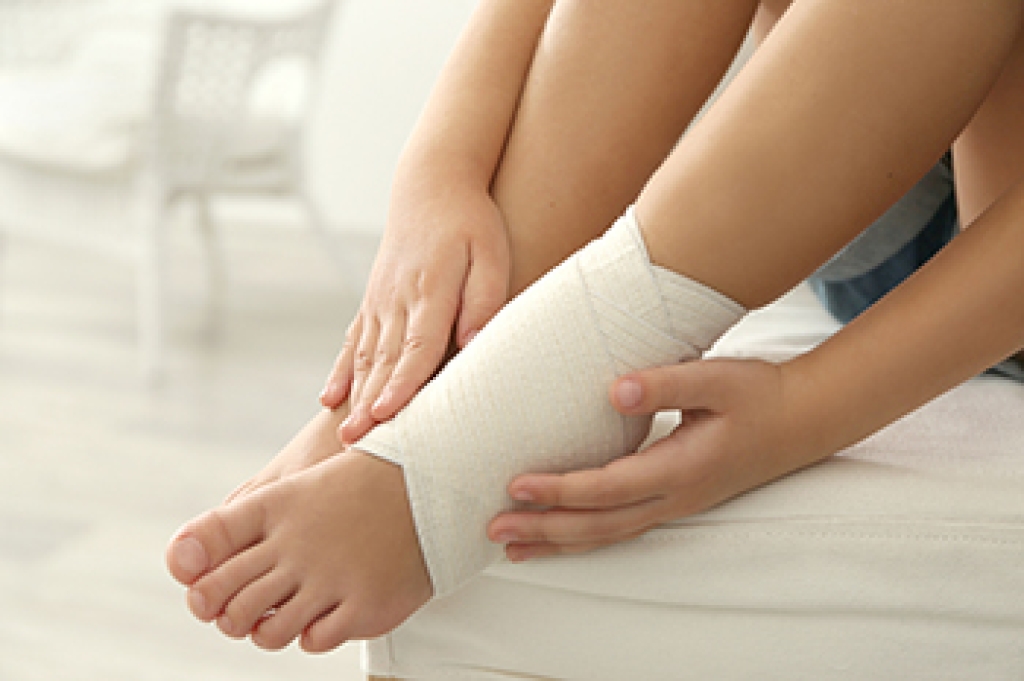
Ankle Sprain Recovery Starts With a Podiatrist

Ankle sprains happen when the strong ligaments that support the ankle stretch too far or tear after the foot twists in an awkward direction. Ligaments are bands of tissue that connect bones and help keep joints stable. A sprain can occur while running, stepping on an uneven surface, or missing a step. The injury can affect the ligaments on the outside of the ankle or the higher ligaments between the lower leg bones. The severity ranges from mild stretching to a complete tear. Prompt evaluation is important because walking on an injured ankle too soon can make the damage worse and increase the risk of repeated sprains. Wearing shoes that provide good support also helps reduce unnecessary stress on the ankle.

Symptoms include pain, swelling, and trouble putting weight on the foot. Some people notice limited movement or a feeling that the ankle is unstable while walking. Others hear or feel a popping sensation when the injury happens. More severe sprains can make standing and daily activities very difficult. A careful examination helps determine the type and severity of the injury. Imaging tests, like X-rays or other scans, are sometimes needed to rule out a fracture or identify more serious damage. Early diagnosis also helps reduce the chance of long-term ankle problems.

Podiatrists evaluate ankle stability, joint movement, and walking patterns to understand how the injury affects foot function. Treatment focuses on protecting the damaged ligaments, restoring healthy movement, and helping the ankle regain stability. A podiatrist also monitors healing, identifies signs of ongoing instability, and recommends ways to reduce stress on the ankle during recovery. Early care helps lower the risk of repeated sprains, chronic pain, and reduced mobility. Proper treatment also supports a safer return to work, sports, and other daily activities. If you have symptoms of an ankle sprain, it is suggested that you schedule an appointment with a podiatrist for diagnosis and treatment.

Although ankle sprains are common, they aren’t always minor injuries. If you need your ankle injury looked at, contact one of our podiatrists from Princeton Foot and Ankle Associates. Our doctors can provide the care you need to keep you pain-free and on your feet.

How Does an Ankle Sprain Occur?

Ankle sprains are the result of a tear in the ligaments within the ankle. These injuries may happen when you make a rapid shifting movement while your foot is planted. A less common way to sprain your ankle is when your ankle rolls inward while your foot turns outward.

What Are the Symptoms?

  • Pain at the sight of the tear
  • Bruising/Swelling
  • Ankle area is tender to touch
  • In severe cases, may hear/feel something tear
  • Skin discoloration

Preventing a Sprain

  • Wearing appropriate shoes for the occasion
  • Stretching before exercises and sports
  • Knowing your limits

Treatment of a Sprain

In many cases, the RICE method (Rest, Ice, Compression, and Elevate) is used to treat ankle sprains. However, you should see a podiatrist to see which treatment option would work best with your injury. In severe cases, surgery may be required.

It is important to ask your doctor about rehab options after you receive treatment for your injury. Stretching, strength training, and balance exercises may help the ankle heal while also preventing further injury.

If you have any questions, please feel free to contact our offices located in Princeton, and West Windsor, NJ . We offer the newest diagnostic and treatment technologies for all your foot care needs.
Read more about Ankle Sprains
Advanced Podiatric Procedures & Services in the Mercer County: Princeton, West Windsor, East Windsor, Cranbury, South Brunswick Township, Hopewell, Montgomery, Rocky Hill, Plainsboro township areas