Items filtered by date: November 2019
Common Types of Foot Pain
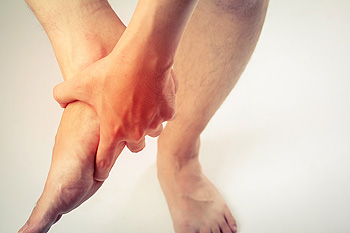 The feet are considered to be the foundation of the body, and may feel aches and pains from performing daily activities. Many types of foot pain can be caused by poor foot structure, or from wearing shoes that do not fit correctly. A common form of pain can be found in the heel, which may be indicative of plantar fasciitis or a heel spur. The condition that is referred to as flat feet may cause pain in the middle of the foot, where the arch would generally be found. Patients have found moderate relief when custom-made insoles are worn, which may provide the support that is needed. Bunions may cause pain as a result of inflammation, and can become irritated as the affected part of the foot rubs against the shoe. If you experience any discomfort in your feet, it is strongly advised that you schedule a consultation with a podiatrist as quickly as possible who can determine the cause and offer treatment options.
Foot Pain
Foot pain can be extremely painful and debilitating. If you have a foot pain, consult with one of our podiatrists from Princeton Foot and Ankle Associates. Our doctors will assess your condition and provide you with quality foot and ankle treatment.
Causes
Foot pain is a very broad condition that could be caused by one or more ailments. The most common include:
- Bunions
- Hammertoes
- Plantar Fasciitis
- Bone Spurs
- Corns
- Tarsal Tunnel Syndrome
- Ingrown Toenails
- Arthritis (such as Gout, Rheumatoid, and Osteoarthritis)
- Flat Feet
- Injury (from stress fractures, broken toe, foot, ankle, Achilles tendon ruptures, and sprains)
- And more
Diagnosis
To figure out the cause of foot pain, podiatrists utilize several different methods. This can range from simple visual inspections and sensation tests to X-rays and MRI scans. Prior medical history, family medical history, and any recent physical traumatic events will all be taken into consideration for a proper diagnosis.
Treatment
Treatment depends upon the cause of the foot pain. Whether it is resting, staying off the foot, or having surgery; podiatrists have a number of treatment options available for foot pain.
If you have any questions, please feel free to contact our offices located in Princeton, and West Windsor, NJ . We offer the newest diagnostic and treatment technologies for all your foot care needs.
What is PAD?
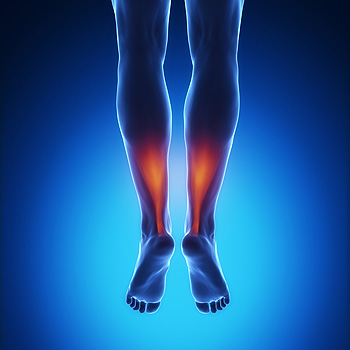 The medical term that is known as peripheral arterial disease (PAD) is described as excess fatty deposits in the arteries. This condition may inhibit blood supply to the feet, and it may be difficult to walk. Patients who are afflicted with PAD may experience a loss of feeling or a tingling sensation in the feet and legs, open sores which do not heal in a timely fashion, and the nails may become brittle. There are a variety of reasons why this condition may occur. These can consist of smoking, having elevated blood pressure, or being diabetic. Painful symptoms may be gradually diminished when gentle stretching techniques are frequently practiced, in addition to implementing healthy eating habits. If you are suffering from PAD, it is recommended that you consult with a podiatrist who can help you to manage this ailment.
Peripheral artery disease can pose a serious risk to your health. It can increase the risk of stroke and heart attack. If you have symptoms of peripheral artery disease, consult with one of our podiatrists from Princeton Foot and Ankle Associates. Our doctors will assess your condition and provide you with quality foot and ankle treatment.
Peripheral artery disease (PAD) is when arteries are constricted due to plaque (fatty deposits) build-up. This results in less blood flow to the legs and other extremities. The main cause of PAD is atherosclerosis, in which plaque builds up in the arteries.
Symptoms
Symptoms of PAD include:
- Claudication (leg pain from walking)
- Numbness in legs
- Decrease in growth of leg hair and toenails
- Paleness of the skin
- Erectile dysfunction
- Sores and wounds on legs and feet that won’t heal
- Coldness in one leg
It is important to note that a majority of individuals never show any symptoms of PAD.
Diagnosis
While PAD occurs in the legs and arteries, Podiatrists can diagnose PAD. Podiatrists utilize a test called an ankle-brachial index (ABI). An ABI test compares blood pressure in your arm to you ankle to see if any abnormality occurs. Ultrasound and imaging devices may also be used.
Treatment
Fortunately, lifestyle changes such as maintaining a healthy diet, exercising, managing cholesterol and blood sugar levels, and quitting smoking, can all treat PAD. Medications that prevent clots from occurring can be prescribed. Finally, in some cases, surgery may be recommended.
If you have any questions, please feel free to contact our offices located in Princeton, and West Windsor, NJ . We offer the newest diagnostic and treatment technologies for all your foot care needs.
Why Live with Pain and Numbness in Your Feet?

Suffering from this type of pain? You may have the foot condition known as Morton's neuroma. Morton's neuroma may develop as a result of ill-fitting footwear and existing foot deformities. We can help.
