Items filtered by date: May 2025
Recovering From a Broken Ankle

Recovering from a broken ankle depends on the type and severity of the fracture. A podiatrist can assess the injury and recommend proper treatment, which may involve immobilization using a cast or walking boot. In more complex cases, surgery might be necessary to reposition fractured bones and stabilize them with screws or plates. A broken ankle can take several weeks to heal, and additional time may be required to restore full ankle motion and strength. If the ligaments or tendons are also affected, this can lengthen recovery. A podiatrist will monitor your progress, evaluate healing through imaging, and determine when it is safe to begin gradual weight-bearing. Improper healing can lead to long-term instability, pain, or limited function, so close medical supervision is important. A podiatrist can also help prevent reinjury through supportive devices or orthotics and ongoing monitoring of the foot and ankle during recovery. If you have fractured an ankle, it is suggested that you make an immediate appointment with a podiatrist for an exam and appropriate treatment.
Broken ankles need immediate treatment. If you are seeking treatment, contact one of our podiatrists from Princeton Foot and Ankle Associates. Our doctors can provide the care you need to keep you pain-free and on your feet.
Broken Ankles
A broken ankle is experienced when a person fractures their tibia or fibula in the lower leg and ankle area. Both of these bones are attached at the bottom of the leg and combine to form what we know to be our ankle.
When a physician is referring to a break of the ankle, he or she is usually referring to a break in the area where the tibia and fibula are joined to create our ankle joint. Ankles are more prone to fractures because the ankle is an area that suffers a lot of pressure and stress. There are some obvious signs when a person experiences a fractured ankle, and the following symptoms may be present.
Symptoms of a Fractured Ankle
- Excessive pain when the area is touched or when any pressure is placed on the ankle
- Swelling around the area
- Bruising of the area
- Area appears to be deformed
If you suspect an ankle fracture, it is recommended to seek treatment as soon as possible. The sooner you have your podiatrist diagnose the fracture, the quicker you’ll be on the way towards recovery.
If you have any questions, please feel free to contact our offices located in Princeton, and West Windsor, NJ . We offer the newest diagnostic and treatment technologies for all your foot care needs.
What Is a High Ankle Sprain?
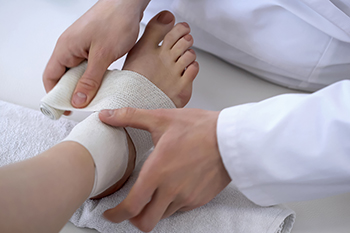
A high ankle sprain occurs when the ligaments above the ankle that connect the two bones in your lower leg, the tibia and fibula, are stretched or torn. This type of sprain is less common but often more severe than an ankle sprain that affects the ligaments surrounding the ankle joint. High ankle sprains are usually caused by a twisting injury or direct impact, often seen in sports like football, basketball, or skiing. Symptoms include pain above the ankle, swelling, bruising, and difficulty walking or bearing weight on the affected foot. The pain is often sharp and may worsen with activity or when the foot is rotated. A podiatrist can evaluate the severity of the sprain through a physical exam and imaging, offering treatments such as rest, elevation, immobilization, and, in some cases, targeted exercises. In more severe cases, surgery may be required. If you have a painful ankle sprain, it is suggested that you promptly schedule an appointment with a podiatrist.
Although ankle sprains are common, they aren’t always minor injuries. If you need your ankle injury looked at, contact one of our podiatrists from Princeton Foot and Ankle Associates. Our doctors can provide the care you need to keep you pain-free and on your feet.
How Does an Ankle Sprain Occur?
Ankle sprains are the result of a tear in the ligaments within the ankle. These injuries may happen when you make a rapid shifting movement while your foot is planted. A less common way to sprain your ankle is when your ankle rolls inward while your foot turns outward.
What Are the Symptoms?
- Pain at the sight of the tear
- Bruising/Swelling
- Ankle area is tender to touch
- In severe cases, may hear/feel something tear
- Skin discoloration
Preventing a Sprain
- Wearing appropriate shoes for the occasion
- Stretching before exercises and sports
- Knowing your limits
Treatment of a Sprain
In many cases, the RICE method (Rest, Ice, Compression, and Elevate) is used to treat ankle sprains. However, you should see a podiatrist to see which treatment option would work best with your injury. In severe cases, surgery may be required.
It is important to ask your doctor about rehab options after you receive treatment for your injury. Stretching, strength training, and balance exercises may help the ankle heal while also preventing further injury.
If you have any questions, please feel free to contact our offices located in Princeton, and West Windsor, NJ . We offer the newest diagnostic and treatment technologies for all your foot care needs.
Healthy Habits for Better Foot Hygiene
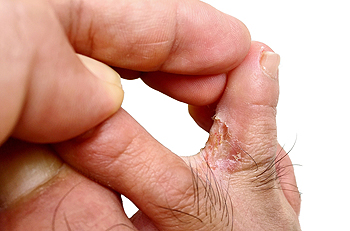
Good foot hygiene helps prevent odor, infection, and common skin problems. Washing your feet daily with soap and water removes sweat, dirt, and bacteria. Drying carefully between the toes helps prevent fungal infections. Keeping toenails trimmed and clean reduces the risk of ingrown nails and infection. Moisturizing dry skin can prevent cracks, especially on the heels. Wearing clean, breathable socks and changing them daily keeps feet dry and comfortable. Shoes should fit well and be allowed to air out between uses. Avoid walking barefoot in public places like locker rooms or near pools, where germs are common. Simple habits make a big difference in keeping your feet healthy. If you notice changes in your skin, nails, or foot odor that does not improve, it is suggested you see a podiatrist for diagnosis and appropriate treatment.
Athlete’s Foot
Athlete’s foot is often an uncomfortable condition to experience. Thankfully, podiatrists specialize in treating athlete’s foot and offer the best treatment options. If you have any questions about athlete’s foot, consult with one of our podiatrists from Princeton Foot and Ankle Associates. Our doctors will assess your condition and provide you with quality treatment.
What Is Athlete’s Foot?
Tinea pedis, more commonly known as athlete’s foot, is a non-serious and common fungal infection of the foot. Athlete’s foot is contagious and can be contracted by touching someone who has it or infected surfaces. The most common places contaminated by it are public showers, locker rooms, and swimming pools. Once contracted, it grows on feet that are left inside moist, dark, and warm shoes and socks.
Prevention
The most effective ways to prevent athlete’s foot include:
- Thoroughly washing and drying feet
- Avoid going barefoot in locker rooms and public showers
- Using shower shoes in public showers
- Wearing socks that allow the feet to breathe
- Changing socks and shoes frequently if you sweat a lot
Symptoms
Athlete’s foot initially occurs as a rash between the toes. However, if left undiagnosed, it can spread to the sides and bottom of the feet, toenails, and if touched by hand, the hands themselves. Symptoms include:
- Redness
- Burning
- Itching
- Scaly and peeling skin
Diagnosis and Treatment
Diagnosis is quick and easy. Skin samples will be taken and either viewed under a microscope or sent to a lab for testing. Sometimes, a podiatrist can diagnose it based on simply looking at it. Once confirmed, treatment options include oral and topical antifungal medications.
If you have any questions, please feel free to contact our offices located in Princeton, and West Windsor, NJ . We offer the newest diagnostic and treatment technologies for all your foot care needs.
Are You Suffering From Ingrown Toenails?

If left untreated, an ingrown toenail can lead to more serious concerns, such as an infection. Knowing proper nail care can help in the prevention of an ingrown toenail. Give us a call, and get treated!
Types of Foot Arthritis

Foot arthritis is a condition where the joints in the foot become inflamed, leading to pain, stiffness, and decreased mobility. There are several types of arthritis that can affect the foot, including osteoarthritis, rheumatoid arthritis, and post-traumatic arthritis. Osteoarthritis results from wear and tear on the joints over time, while rheumatoid arthritis is an autoimmune disorder that causes the immune system to attack the joints. Post-traumatic arthritis can develop after an injury, such as a fracture or severe sprain. Symptoms include joint pain, swelling, tenderness, and difficulty walking. Risk factors for developing foot arthritis include aging, previous injuries, obesity, genetic predisposition, and repetitive stress on the feet. Early diagnosis and appropriate management are important to maintain mobility. If you have symptoms of foot arthritis, it is strongly suggested that you contact a podiatrist who can offer you effective relief tips, helping you to manage this condition.
Arthritis can be a difficult condition to live with. If you are seeking treatment, contact one of our podiatrists from Princeton Foot and Ankle Associates. Our doctors can provide the care you need to keep you pain-free and on your feet.
Arthritic Foot Care
Arthritis is a joint disorder that involves the inflammation of different joints in your body, such as those in your feet. Arthritis is often caused by a degenerative joint disease and causes mild to severe pain in all affected areas. In addition to this, swelling and stiffness in the affected joints can also be a common symptom of arthritis.
In many cases, wearing ill-fitting shoes can worsen the effects and pain of arthritis. Wearing shoes that have a lower heel and extra room can help your feet feel more comfortable. In cases of rheumatoid arthritis, the arch in your foot may become problematic. Buying shoes with proper arch support that contour to your feet can help immensely.
Alleviating Arthritic Pain
- Exercises that stretch the foot can prevent further pain and injury and increase mobility
- Most of the pain can be alleviated with anti-inflammatory drugs, heat, and topical medications
- Massages can help temporarily alleviate pain.
It is best to see your doctor for the treatment that is right for your needs and symptoms. Conditions vary, and a podiatrist can help you determine the right method of care for your feet.
If you have any questions please feel free to contact our offices located in Princeton, and West Windsor, NJ . We offer the newest diagnostic tools and technology to treat your foot and ankle needs.
