Items filtered by date: February 2026
Common Reasons for Swollen Feet
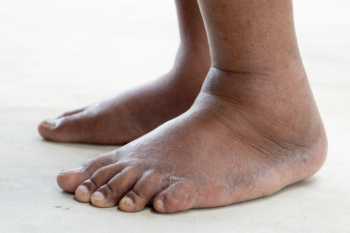
Swollen feet can result from a variety of underlying conditions that affect circulation, tissues, or overall health. An injury such as a sprain or fracture may cause localized swelling due to inflammation and fluid buildup. Edema occurs when excess fluid collects in the tissues, often related to prolonged standing or poor circulation. Infection can lead to redness, warmth, and swelling as the body responds to bacteria. Heart disease may contribute to fluid retention in the lower extremities due to reduced circulation efficiency. Additionally, pregnancy commonly causes swelling because of hormonal changes and increased pressure on blood vessels. A podiatrist can evaluate the cause and provide appropriate treatment. If you notice your feet have become swollen, it is suggested that you consult a podiatrist who can offer effective relief and treatment solutions.
Swollen feet can be a sign of an underlying condition. If you have any concerns, contact one of our podiatrists of Princeton Foot and Ankle Associates. Our doctors can provide the care you need to keep you pain-free and on your feet.
Swollen feet are a common ailment among pregnant women and people who stand or sit for extended periods. Aging may increase the possibility of swollen feet and patients who are obese often notice when their feet are swelling too. There may be medical reasons why swollen feet occur:
- Phlebitis - A condition that causes the veins to become inflamed and can also cause leg pain.
- Liver disease - This may lead to low blood levels of albumin which is a protein. This can cause fluid in the blood to pass into the tissues and several areas of the body can become swollen.
- Heart failure - When the heart doesn’t pump properly the blood that is normally pumped back to the heart can pool in the veins of the legs causing swollen feet.
- Kidney disease - One of the main functions of the kidneys is releasing excess fluid in the body. This type of condition can make it difficult for the kidneys to function properly, and as a result the feet may become swollen.
- Deep-vein thrombosis (DVT)- This is a serious condition where blood clots form in the veins of the legs. They can block the return of blood from the legs to the heart which may cause the feet to swell. It is important to be treated by a podiatrist if this condition is present.
Swollen feet can also be caused by bone and tendon conditions, including fractures, arthritis, and tendinitis. Additionally, there may be skin and toenail conditions and an infection may cause the feet to swell. Patients who take medicine to treat high blood pressure may be prone to getting swollen feet.
Many patients elevate their feet to help relieve the swelling and this is generally a temporary remedy. When a podiatrist is consulted the reason behind the swelling can be uncovered and subsequently treated.
If you have any questions please contact our offices located in Princeton, and West Windsor, NJ . We offer the newest diagnostic and treatment technologies for all your foot and ankle needs.
Ankle Arthritis Causes and Symptoms

Ankle arthritis is a condition defined by inflammation and degeneration of the ankle joint, leading to pain and reduced mobility. It commonly develops from wear and tear, previous injuries, or excess stress placed on the joint. Symptoms include swelling, stiffness, cracking or grinding sensations, and pain that may worsen with activity. As the condition progresses with time, joint movement can become more limited, and daily activities may feel increasingly difficult. Being overweight can increase pressure on the ankle joint and accelerate joint breakdown. A podiatrist can evaluate ankle arthritis, confirm a diagnosis, and recommend treatments to reduce pain, improve function, and slow progression. If you have symptoms of ankle arthritis, it is suggested that you consult a podiatrist who can offer you effective relief and management tips.
Arthritis can be a difficult condition to live with. If you are seeking treatment, contact one of our podiatrists from Princeton Foot and Ankle Associates. Our doctors can provide the care you need to keep you pain-free and on your feet.
Arthritic Foot Care
Arthritis is a term that is commonly used to describe joint pain. The condition itself can occur to anyone of any age, race, or gender, and there are over 100 types of it. Nevertheless, arthritis is more commonly found in women compared to men, and it is also more prevalent in those who are overweight. The causes of arthritis vary depending on which type of arthritis you have. Osteoarthritis for example, is often caused by injury, while rheumatoid arthritis is caused by a misdirected immune system.
Symptoms
- Swelling
- Pain
- Stiffness
- Decreased Range of Motion
Arthritic symptoms range in severity, and they may come and go. Some symptoms stay the same for several years but could potentially get worse with time. Severe cases of arthritis can prevent its sufferers from performing daily activities and make walking difficult.
Risk Factors
- Occupation – Occupations requiring repetitive knee movements have been linked to osteoarthritis
- Obesity – Excess weight can contribute to osteoarthritis development
- Infection – Microbial agents can infect the joints and trigger arthritis
- Joint Injuries – Damage to joints may lead to osteoarthritis
- Age – Risk increases with age
- Gender –Most types are more common in women
- Genetics – Arthritis can be hereditary
If you suspect your arthritis is affecting your feet, it is crucial that you see a podiatrist immediately. Your doctor will be able to address your specific case and help you decide which treatment method is best for you.
If you have any questions please feel free to contact our offices located in Princeton, and West Windsor, NJ . We offer the newest diagnostic tools and technology to treat your foot and ankle needs.
Cracked Heels and the Importance of Podiatric Foot Care
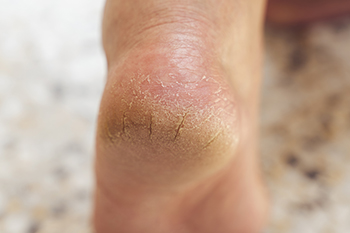
Cracked heels are a condition where the skin along the heel becomes dry, thick, and split, often causing discomfort or pain. Common causes include vitamin deficiencies, chronic dry skin, mechanical stress from standing or walking, and frequent barefoot walking. Medical conditions such as diabetes can increase the risk due to reduced skin healing and circulation. Symptoms may include rough skin, visible fissures, tenderness, and, in severe cases, bleeding. Risk factors also include obesity, poor footwear support, and certain skin disorders. A podiatrist can assess the severity of cracked heels, provide safe debridement, recommend therapeutic moisturizers, and address underlying causes. If you have developed cracked heels, it is suggested that you consult a podiatrist who can offer effective relief and treatment solutions, which may include prescribed medication.
If the skin on your feet starts to crack, you may want to see a podiatrist to find treatment. If you have any concerns, contact one of our podiatrists from Princeton Foot and Ankle Associates. Our doctors can provide the care you need to keep you pain-free and on your feet.
Cracked Heels
It is important to moisturize your cracked heels in order to prevent pain, bleeding, and infection. The reason cracked heels form is because the skin on the foot is too dry to support the immense pressure placed on them. When the foot expands, the dry skin on the foot begins to split.
Ways to Help Heal Them
- Invest in a good foot cream
- Try Using Petroleum Jelly
- Ease up on Soaps
- Drink Plenty of Water
Ways to Prevent Cracked Heels
- Moisturize After Showering
- Skip a Shower
- Keep Shower Water Lukewarm
- Don’t Scrub Your Feet
If you are unsure how to proceed in treating cracked heels, seek guidance from a podiatrist. Your doctor will help you with any questions or information you may need.
If you have any questions, please feel free to contact our offices located in Princeton, and West Windsor, NJ . We offer the newest diagnostic and treatment technologies for all your foot care needs.
Do Your Child's Feet Hurt?

Have your child's feet been examined lately? Healthy feet are happy feet. If your child is complaining of foot pain, it may be a sign of underlying problems.
Exercises That Help Ease Foot Arthritis Pain

Foot arthritis can cause stiffness, aching, and reduced mobility, especially after rest or long periods of standing. Gentle exercises help keep joints moving, support circulation, and maintain strength without increasing stress. Ankle circles are useful for improving range of motion and easing stiffness. Toe stretches, performed by gently pulling the toes back and then curling them downward, help maintain flexibility in the forefoot. Heel raises strengthen the muscles that support the foot and ankle and can improve stability when walking. Rolling the sole of the foot over a small ball or frozen water bottle may also reduce soreness and tension. Exercises should be done slowly and within a comfortable range. A podiatrist can recommend additional specific movements based on the type and severity of arthritis. If you suffer from foot arthritis, it is suggested that you see a podiatrist for a proper diagnosis and treatment.
Exercising your feet regularly with the proper foot wear is a great way to prevent injuries and build strength. If you have any concerns about your feet, contact one of our podiatrists from Princeton Foot and Ankle Associates. Our doctors can provide the care you need to keep you pain-free and on your feet.
Exercise for Your Feet
Exercise for your feet can help you gain strength, mobility and flexibility in your feet. They say that strengthening your feet can be just as rewarding as strengthening another part of the body. Your feet are very important, and we often forget about them in our daily tasks. But it is because of our feet that are we able to get going and do what we need to. For those of us fortunate enough to not have any foot problems, it is an important gesture to take care of them to ensure good health in the long run.
Some foot health exercises can include ankle pumps, tip-toeing, toe rises, lifting off the floor doing reps and sets, and flexing the toes. It is best to speak with Our doctors to determine an appropriate regimen for your needs. Everyone’s needs and bodies are different, and the activities required to maintain strength in the feet vary from individual to individual.
Once you get into a routine of doing regular exercise, you may notice a difference in your feet and how strong they may become.
If you have any questions, please feel free to contact our offices located in Princeton, and West Windsor, NJ . We offer the newest diagnostic and treatment technologies for all your foot care needs.
