Items filtered by date: April 2026
Why Feet May Stay Larger After Pregnancy

Many women notice that their feet remain larger after pregnancy due to physical changes that occur during this time. Increased body weight places added stress on the feet, which can cause the arches to flatten and lengthen. Hormonal changes also play a role by relaxing ligaments, including those in the sole, leading to permanent structural changes. This added strain can result in discomfort, fatigue, and difficulty finding properly fitting shoes. Risk factors include multiple pregnancies, significant weight gain, and prolonged standing. These changes may also affect overall foot function and alignment, if not addressed. A podiatrist can evaluate these changes, recommend supportive footwear, and provide custom orthotics to improve comfort and stability. If you have noticed any uncomfortable changes in your feet during or after your pregnancy, it is suggested that you consult a podiatrist who can offer relief remedies with personalized care.
Pregnant women with swollen feet can be treated with a variety of different methods that are readily available. For more information about other cures for swollen feet during pregnancy, consult with one of our podiatrists from Princeton Foot and Ankle Associates. Our doctors will attend to all of your foot and ankle needs.
What Foot Problems Can Arise During Pregnancy?
One problem that can occur is overpronation, which occurs when the arch of the foot flattens and tends to roll inward. This can cause pain and discomfort in your heels while you’re walking or even just standing up, trying to support your baby.
Another problem is edema, or swelling in the extremities. This often affects the feet during pregnancy but tends to occur in the later stages.
How Can I Keep My Feet Healthy During Pregnancy?
- Wearing orthotics can provide extra support for the feet and help distribute weight evenly
- Minimize the amount of time spent walking barefoot
- Wear shoes with good arch support
- Wear shoes that allow for good circulation to the feet
- Elevate feet if you experience swelling
- Massage your feet
- Get regular, light exercise, such as walking, to promote blood circulation to the feet
If you have any questions, please feel free to contact our offices located in Princeton, and West Windsor, NJ . We offer the newest diagnostic and treatment technologies for all your foot care needs.
Are You Suffering From Ingrown Toenails?

If left untreated, an ingrown toenail can lead to more serious concerns, such as an infection. Knowing proper nail care can help in the prevention of an ingrown toenail. Give us a call, and get treated!
Why Diabetes Can Quietly Damage Your Feet
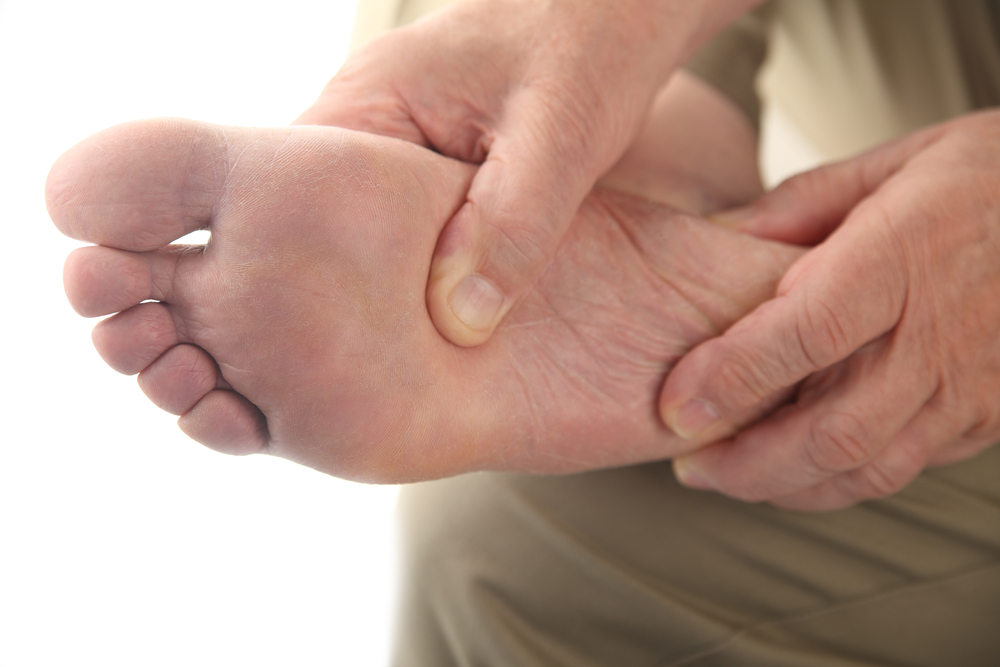
Diabetes can affect the feet in ways that are easy to miss at first. High blood sugar over time can damage nerves, a condition called diabetic neuropathy. This may cause numbness, tingling, or burning pain, and small injuries may go unnoticed. Diabetes can also reduce blood flow to the feet, slowing healing and increasing the risk of infection. Even a minor cut or blister can develop into a serious wound. Skin changes are also common. The feet may become dry and cracked, creating openings for bacteria. Toenails may thicken, and foot shape can change, leading to pressure points and ulcers. Without proper care, these issues can lead to long-term complications. Daily foot checks, wearing proper footwear, and regular podiatric care are important. If you have diabetes and notice changes in your feet, it is suggested that you are under the care of a podiatrist who can help you to manage this serious condition.
Diabetic foot care is important in preventing foot ailments such as ulcers. If you are suffering from diabetes or have any other concerns about your feet, contact one of our podiatrists from Princeton Foot and Ankle Associates. Our doctors can provide the care you need to keep you pain-free and on your feet.
Diabetic Foot Care
Diabetes affects millions of people every year. The condition can damage blood vessels in many parts of the body, especially the feet. Because of this, taking care of your feet is essential if you have diabetes, and having a podiatrist help monitor your foot health is highly recommended.
The Importance of Caring for Your Feet
- Routinely inspect your feet for bruises or sores.
- Wear socks that fit your feet comfortably.
- Wear comfortable shoes that provide adequate support.
Patients with diabetes should have their doctor monitor their blood levels, as blood sugar levels play such a huge role in diabetic care. Monitoring these levels on a regular basis is highly advised.
It is always best to inform your healthcare professional of any concerns you may have regarding your feet, especially for diabetic patients. Early treatment and routine foot examinations are keys to maintaining proper health, especially because severe complications can arise if proper treatment is not applied.
If you have any questions, please feel free to contact our offices located in Princeton, and West Windsor, NJ . We offer the newest diagnostic and treatment technologies for all your foot care needs.
