Items filtered by date: May 2026
Pain on the Inner Side of the Foot
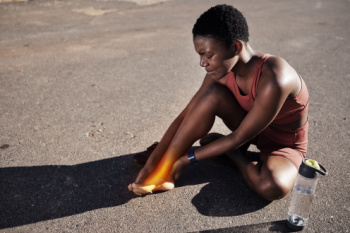
Pain on the inner side of the foot can develop from strain in the muscles and soft tissue that support the arch and big toe. This pain is often linked to overuse, flat feet, and poor arch support in shoes. Sudden increases in activity or direct injury to the foot are other factors. People who stand for long hours at work or spend more time walking and running may notice soreness, swelling, tenderness, or tingling in this area. Because inner foot pain can feel similar to plantar fasciitis or tendon problems, a proper diagnosis is important. A podiatrist can examine the foot, check the arch, test movement, and order X-rays or other imaging tests to determine the cause. Treatment options include custom orthotics, supportive bracing, medication for pain relief, or surgery, in more serious cases. If you have pain on the inner side of the foot, it is suggested that you schedule an appointment with a podiatrist for a diagnosis and appropriate treatment.
Foot Pain
Foot pain can be extremely painful and debilitating. If you have a foot pain, consult with one of our podiatrists from Princeton Foot and Ankle Associates. Our doctors will assess your condition and provide you with quality foot and ankle treatment.
Causes
Foot pain is a very broad condition that could be caused by one or more ailments. The most common include:
- Bunions
- Hammertoes
- Plantar Fasciitis
- Bone Spurs
- Corns
- Tarsal Tunnel Syndrome
- Ingrown Toenails
- Arthritis (such as Gout, Rheumatoid, and Osteoarthritis)
- Flat Feet
- Injury (from stress fractures, broken toe, foot, ankle, Achilles tendon ruptures, and sprains)
- And more
Diagnosis
To figure out the cause of foot pain, podiatrists utilize several different methods. This can range from simple visual inspections and sensation tests to X-rays and MRI scans. Prior medical history, family medical history, and any recent physical traumatic events will all be taken into consideration for a proper diagnosis.
Treatment
Treatment depends upon the cause of the foot pain. Whether it is resting, staying off the foot, or having surgery; podiatrists have a number of treatment options available for foot pain.
If you have any questions, please feel free to contact our offices located in Princeton, and West Windsor, NJ . We offer the newest diagnostic and treatment technologies for all your foot care needs.
Are Bunions Affecting Your Everyday Life?

Have you noticed a bony protrusion on the side of your big toe? If so, you may have developed the foot condition known as a bunion. Don't let bunions interfere with your daily activities.
Understanding Heel Fissures and Skin Changes
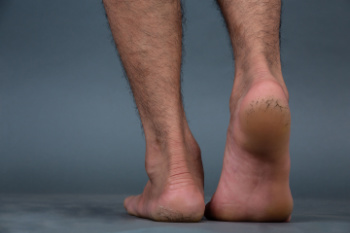
Heel fissures are cracks in thickened skin on the heels that can become painful if not treated. The skin in these areas is often drier and less flexible than healthy skin, which makes it more likely to split under pressure. Research shows that this type of thickened skin behaves differently from normal skin, especially in how it holds moisture and stretches. These differences can help guide care. In some cases, heel calluses and fissures can be grouped based on how hydrated and elastic the skin is, even when the surface feels similar. Dry, stiff skin is more prone to cracking, especially with standing, walking, or wearing open-back shoes. Regular moisturizing and proper foot support can help prevent worsening. If cracks become deep, painful, or do not improve, it is suggested you schedule an appointment with a podiatrist for appropriate care.
Cracked heels are unsightly and can cause further damage to your shoes and feet. If you have any concerns, contact one of our podiatrists from Princeton Foot and Ankle Associates. Our doctors can provide the care you need to keep you pain-free and on your feet.
Cracked Heels
Cracked heels appear unappealing and can make it harder for you walk around in sandals. Aside from looking unpleasant, cracked heels can also tear stockings, socks, and wear out your shoes. There are several methods to help restore a cracked heel and prevent further damage.
How Do You Get Them?
Dry skin is the number one culprit in creating cracked heels. Many athletes, walkers, joggers, and even swimmers suffer from cracked heels. Age and skin oil production play a role to getting cracked heels as well.
Promote Healing
Over the counter medicines can help, especially for those that need instant relief or who suffer from chronic dry feet.
Wear Socks – Wearing socks with medicated creams helps lock in moisture.
Moisturizers – Applying both day and night will help alleviate dryness which causes cracking.
Pumice Stones – These exfoliate and remove dead skin, which allows for smoother moisturizer application and better absorption into the skin.
Change in Diet
Eating healthy with a well-balanced diet will give the skin a fresh and radiant look. Your body responds to the kinds of food you ingest. Omega-3 fatty acids and zinc supplements can also revitalize skin tissue.
Most importantly, seek professional help if unsure how to proceed in treating cracked heels. A podiatrist will help you with any questions or information needed.
If you have any questions, please feel free to contact our offices located in Princeton, and West Windsor, NJ . We offer the newest diagnostic and treatment technologies for all your foot care needs.
