Causes of Pain in the Pinky Toe

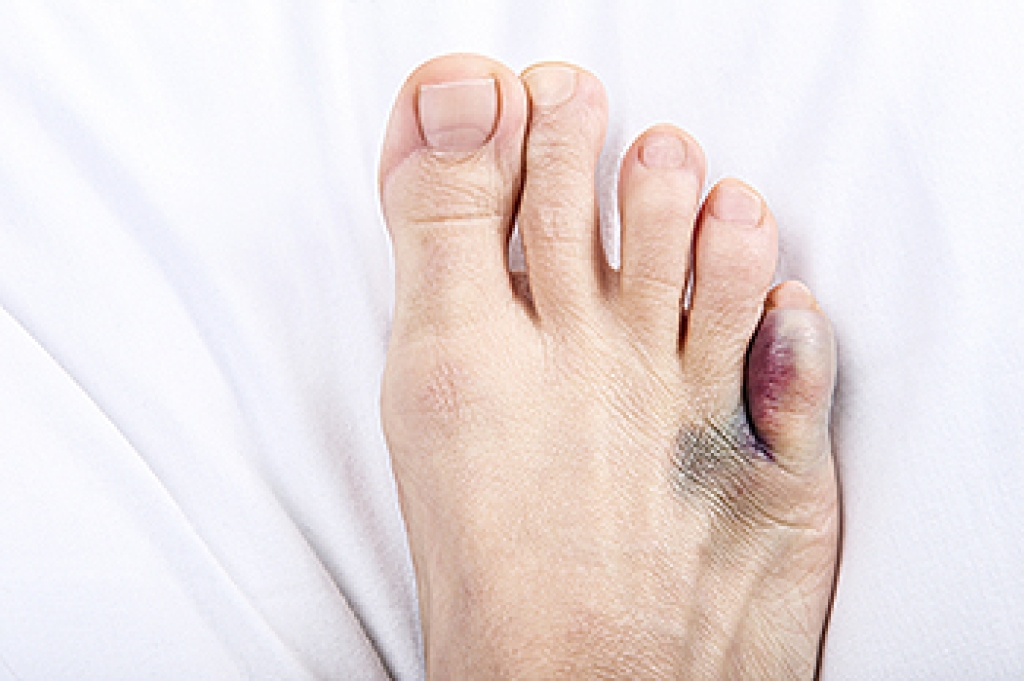
Pain in the pinky toe can develop for several reasons. Because the pinky toe sits on the outside edge of the foot, it is more likely to be bumped, stubbed, or injured. A direct impact can cause a fracture, which is a broken bone, or a sprain, which is a stretched or torn ligament that connects bones. Repeated stress from running, jumping, or other high-impact activities can also lead to small cracks in the bone. Tight-fitting shoes are another common cause of pinky toe pain. A painful corn, which is an area of thickened skin caused by friction, can also develop on or around the pinky toe.

Structural problems in the foot may contribute to pinky toe pain. Some people develop a tailor's bunion, which is a bony bump that forms near the base of the pinky toe. This can become irritated when it rubs against footwear. Other toe shape changes can place extra pressure on the pinky toe and nearby joints. These problems can lead to redness, swelling, and discomfort while walking. In some cases, the toe can become partially or completely dislocated, meaning the bones move out of their normal position. This type of injury can cause severe pain, bruising, and difficulty putting weight on the foot.

A podiatrist can determine the cause of pinky toe pain through a physical examination, X-rays, and other imaging scans. Treatment depends on the source and severity of the problem. Care may include immobilization with a walking boot, protective padding, or custom orthotics to reduce pressure. A podiatrist may also recommend footwear changes to improve comfort and support. More severe injuries or structural problems may require surgery to restore proper alignment and relieve pain. If you have injured a pinky toe, it is suggested that you make an appointment with a podiatrist for an exam and diagnosis.

Toe pain can disrupt your daily activities. If you have any concerns, contact one of our podiatrists of Princeton Foot and Ankle Associates. Our doctors can provide the care you need to keep you pain-free and on your feet.

What Causes Toe Pain?

Most severe toe pain is caused due to a sports injury, trauma from dropping something heavy on the toe, or bumping into something rigid. Other problems can develop over time for various reasons.

Toe pain can be caused by one or more ailments. The most common include:

  • Trauma
  • Sports injury
  • Wearing shoes that are too tight
  • Arthritis
  • Gout
  • Corns and calluses
  • Hammertoe
  • Bunions
  • Blisters
  • Ingrown toenails
  • Sprains
  • Fractures (broken bones)
  • Dislocations

When to See a Podiatrist

  • Severe pain
  • Persistent pain that lasts more than a week
  • Signs of infection
  • Continued swelling
  • Pain that prevents walking

Diagnosis

In many cases the cause of toe pain is obvious, but in others, a podiatrist may want to use more advanced methods to determine the problem. These can range from simple visual inspections and sensation tests to X-rays and MRI scans. Prior medical history, family medical history, and any recent physical traumatic events will all be taken into consideration for a proper diagnosis.

Treatment

Treatments for toe pain and injuries vary and may include shoe inserts, padding, taping, medicines, injections, and in some cases, surgery. If you believe that you have broken a toe, please see a podiatrist as soon as possible.

If you have any questions please contact our offices located in Princeton, and West Windsor, NJ . We offer the newest diagnostic and treatment technologies for all your foot and ankle needs.
Read more about Toe Pain

When a Toenail Injury Leads to Fungal Infection

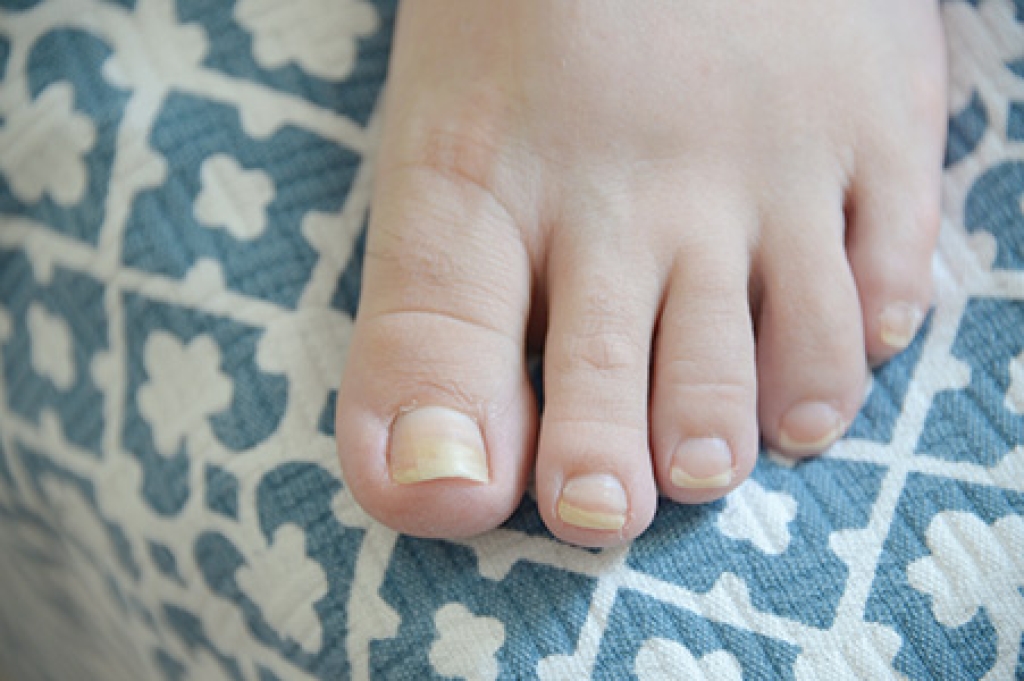
A fungal nail infection affecting only one toe can sometimes develop after an injury rather than from typical exposure alone. Trauma to the toenail, such as stubbing the toe, repetitive pressure from sports, or damage from wearing tight footwear, can weaken the nail and create an opening for fungal organisms to grow. The nail may become thickened, discolored, brittle, misshapen, or begin lifting from the nail bed. Because only one nail is involved, some people assume the problem will resolve on its own or mistake it for lingering injury changes. A podiatrist can determine whether the nail changes are due to infection, trauma, or another condition that looks similar. Treatment may include targeted therapies based on the severity and extent of involvement. Early evaluation can improve treatment success and help prevent spread to other nails. If you have persistent nail changes after toe trauma, it is suggested that you visit a podiatrist for an assessment and appropriate treatment.

For more information about treatment, contact one of our podiatrists of Princeton Foot and Ankle Associates. Our doctors can provide the care you need to keep you pain-free and on your feet.

Toenail Fungus Treatment

Toenail fungus is a condition that affects many people and can be especially hard to get rid of. Fortunately, there are several methods to go about treating and avoiding it.

Antifungals & Deterrence

Oral antifungal medicine has been shown to be effective in many cases. It is important to consult with a podiatrist to determine the proper regiment for you, or potentially explore other options.

Applying foot powder on the feet and shoes helps keep the feet free of moisture and sweat.

Sandals or open toed shoes – Wearing these will allow air movement and help keep feet dry. They also expose your feet to light, which fungus cannot tolerate. Socks with moisture wicking material also help as well.

If you have any questions please contact our offices located in Princeton, and West Windsor, NJ . We offer the newest diagnostic and treatment technologies for all your foot and ankle needs.

Read more about Toenail Fungus

Gout and Its Triggers

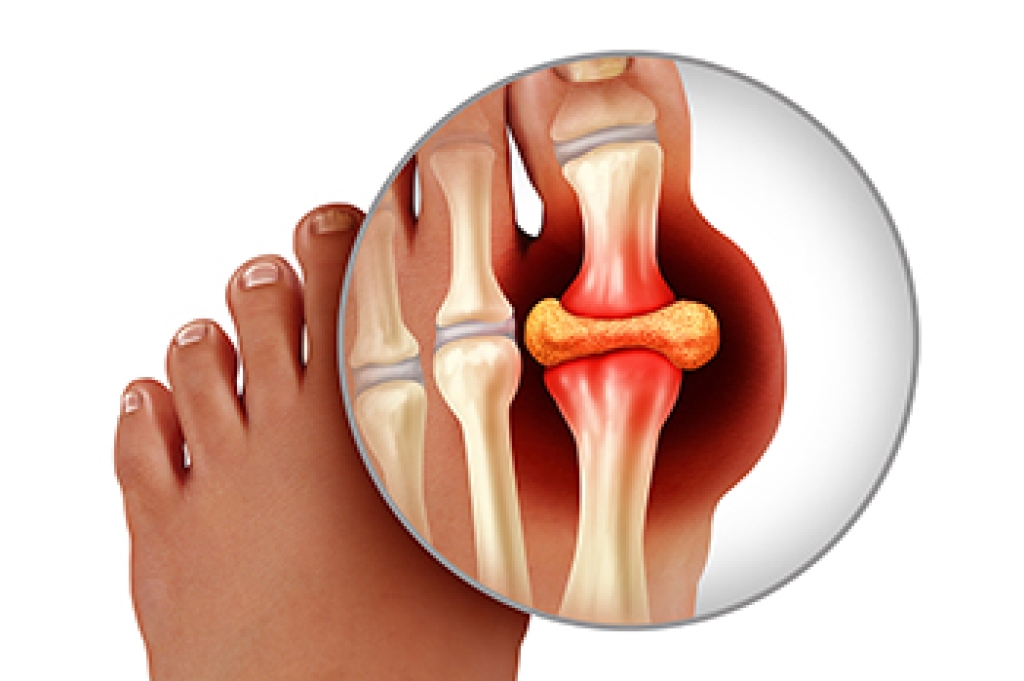
Gout is one of the oldest known forms of arthritis and develops when uric acid builds up in the body, forming sharp crystals in the joints. It often affects the big toe and can appear suddenly with intense pain, redness, warmth, and swelling. Attacks may come on overnight and make even light pressure feel unbearable. Several risk factors can increase the chance of gout, including a family history of the condition, frequent alcohol consumption, and diets high in red meat or sugary drinks. Obesity and certain medical conditions can also play a role. A podiatrist can identify gout, manage painful flare-ups, and work with patients to reduce joint damage and improve mobility. If you have intense pain in your big toe, it is suggested that you consult a podiatrist who can offer you a diagnosis and appropriate treatment.

Gout is a foot condition that requires certain treatment and care. If you are seeking treatment, contact one of our podiatrists from Princeton Foot and Ankle Associates. Our doctors will treat your foot and ankle needs.

What Is Gout?

Gout is a type of arthritis caused by a buildup of uric acid in the bloodstream. It often develops in the foot, especially the big toe area, although it can manifest in other parts of the body as well. Gout can make walking and standing very painful and is especially common in diabetics and the obese.

People typically get gout because of a poor diet. Genetic predisposition is also a factor. The children of parents who have had gout frequently have a chance of developing it themselves.

Gout can easily be identified by redness and inflammation of the big toe and the surrounding areas of the foot. Other symptoms include extreme fatigue, joint pain, and running high fevers. Sometimes corticosteroid drugs can be prescribed to treat gout, but the best way to combat this disease is to get more exercise and eat a better diet.

If you have any questions, please feel free to contact our offices located in Princeton, and West Windsor, NJ . We offer the newest diagnostic and treatment technologies for all your foot care needs.

Read more about Everything You Need to Know About Gout

Gout Pain Can Be Managed

Gout is a painful, inflammatory form of arthritis. Those affected will typically feel an intense stiffness in the joints of their feet, particularly in the big toe. Schedule a visit to learn about how gout can be managed and treated.

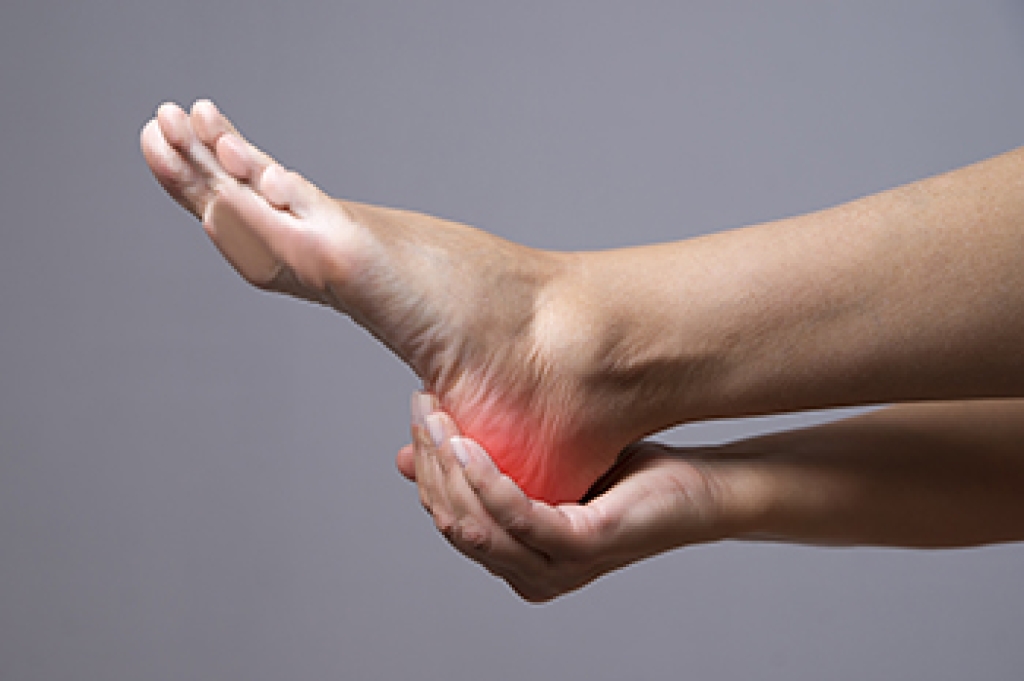
Causes and Risk Factors for Heel Bone Pain

Heel bone pain can develop when the heel absorbs repeated stress or from an injury. Common causes include impact injuries, such as landing on the heel, or repeated pressure from running or standing for long periods. Risk factors include aging, which can thin the fat pad under the heel, excess weight, and wearing shoes that lack proper cushioning. Health conditions, including diabetes and joint disease, also increase the risk. Pain may worsen with walking or standing, and can limit daily activity. A podiatrist can evaluate the cause of the heel pain through X-rays and other imaging. Treatment options include supportive devices, custom orthotics, and other ways to reduce pressure on the heel. If you have heel bone pain, it is suggested that you make an appointment with a podiatrist for a diagnosis and treatment.

Many people suffer from bouts of heel pain. For more information, contact one of our podiatrists of Princeton Foot and Ankle Associates. Our doctors can provide the care you need to keep you pain-free and on your feet.

Causes of Heel Pain

Heel pain is often associated with plantar fasciitis. The plantar fascia is a band of tissues that extends along the bottom of the foot. A rip or tear in this ligament can cause inflammation of the tissue.

Achilles tendonitis is another cause of heel pain. Inflammation of the Achilles tendon will cause pain from fractures and muscle tearing. Lack of flexibility is also another symptom.

Heel spurs are another cause of pain. When the tissues of the plantar fascia undergo a great deal of stress, it can lead to ligament separation from the heel bone, causing heel spurs.

Why Might Heel Pain Occur?

  • Wearing ill-fitting shoes                
  • Wearing non-supportive shoes
  • Weight change           
  • Excessive running

Treatments

Heel pain should be treated as soon as possible for immediate results. Keeping your feet in a stress-free environment will help. If you suffer from Achilles tendonitis or plantar fasciitis, applying ice will reduce the swelling. Stretching before an exercise like running will help the muscles. Using all these tips will help make heel pain a condition of the past.

If you have any questions, please feel free to contact our offices located in Princeton, and West Windsor, NJ . We offer the newest diagnostic and treatment technologies for all your foot care needs.

Read more about Heel Pain
Advanced Podiatric Procedures & Services in the Mercer County: Princeton, West Windsor, East Windsor, Cranbury, South Brunswick Township, Hopewell, Montgomery, Rocky Hill, Plainsboro township areas